Dead Tooth Filling: Treatment, Procedure, and What to Expect
Understanding What a Dead Tooth Means
A dead tooth is a tooth that no longer has a living nerve supply inside it. This usually happens when the pulp—the soft tissue containing nerves and blood vessels—becomes infected or damaged due to deep decay, trauma, or repeated dental procedures. Once the pulp dies, the tooth can no longer sense temperature or pain in the same way, but that does not mean the problem goes away. In fact, a dead tooth can become a source of infection and discomfort if left untreated.
Many people are surprised to learn that a tooth can “die” and still remain in the mouth for years. However, without proper treatment, the internal damage can spread to surrounding tissues and cause serious dental issues. One of the most common treatments after the nerve dies is a dead tooth filling, which helps restore the structure and function of the tooth after internal infection is removed.
Signs and Symptoms of a Dead Tooth
A dead tooth does not always cause immediate pain, which is why some people delay seeking treatment. However, there are warning signs that should not be ignored. Discoloration is often the first visible symptom. The tooth may turn gray, yellow, or dark compared to surrounding teeth.
Other symptoms may include:
- Persistent or previous severe toothache
- Swelling around the gums
- Bad taste or odor in the mouth
- Sensitivity when biting or chewing
- Formation of an abscess near the tooth root
When these symptoms appear, a dentist will usually recommend root canal treatment followed by a dead tooth filling to preserve the tooth.
Why a Dead Tooth Still Needs Treatment
Even though the nerve inside the tooth has died, bacteria can still thrive in the empty pulp chamber. This can lead to infection spreading to the jawbone and surrounding gums. Without intervention, this may result in tooth loss or more complex dental procedures.
A dead tooth filling is part of the restoration process that ensures the tooth remains functional and does not become a source of infection.
The Role of Root Canal Before a Dead Tooth Filling
Before placing a filling in a dead tooth, the dentist must perform a root canal procedure. During this treatment, the infected or dead pulp is removed, and the inside of the tooth is thoroughly cleaned and disinfected. The empty space is then filled with a special material to prevent bacteria from re-entering.
Once this is done, the outer part of the tooth often becomes weak and brittle. This is where a dead tooth filling plays an important role in rebuilding the structure.
What Is a Dead Tooth Filling?
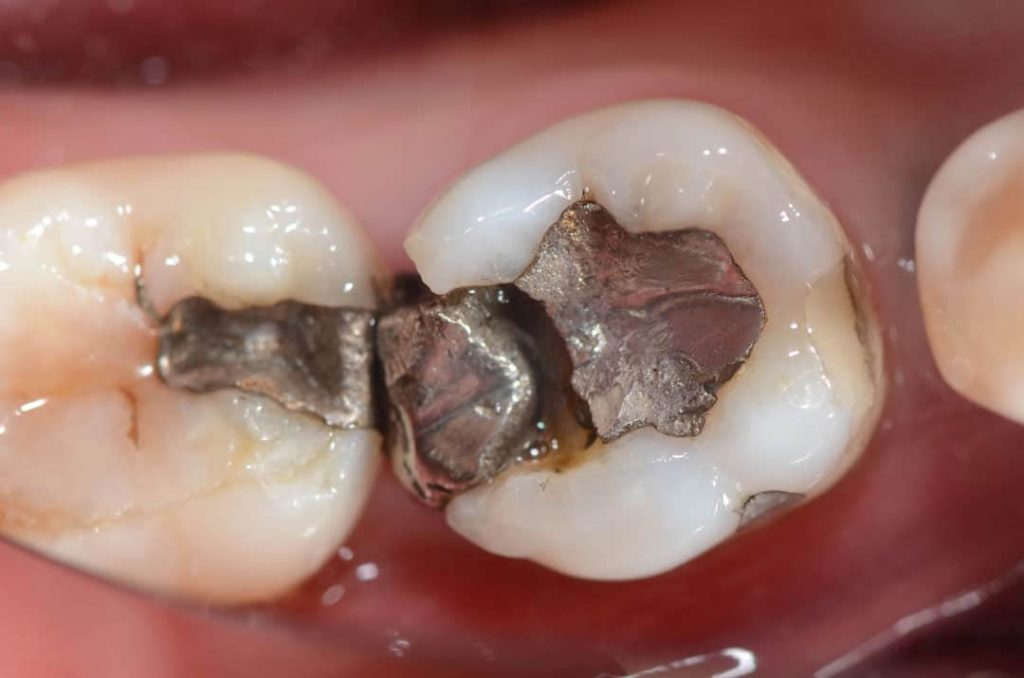
A dead tooth filling is a dental restoration placed after root canal treatment to rebuild the damaged portion of the tooth. Since the internal structure has been removed, the tooth needs support to withstand normal chewing forces.
The filling seals the tooth, restores its shape, and protects it from further damage. In some cases, a dental crown may be recommended instead of a regular filling if the tooth is severely weakened.
Materials Used for Dead Tooth Filling
Dentists use strong and durable materials for this type of filling. These may include:
- Composite resin (tooth-colored material)
- Dental amalgam (silver-colored, less common today)
- Glass ionomer in some cases
The choice depends on the location of the tooth, the extent of damage, and cosmetic considerations.
The Procedure for Dead Tooth Filling
The process is straightforward and usually completed in one visit after the root canal. The dentist first cleans the tooth surface, prepares the cavity, and places the filling material carefully to restore the natural shape of the tooth.
The material is then hardened using a special light (for composite fillings) and polished to ensure a comfortable bite.
Does a Dead Tooth Filling Hurt?
Most patients feel little to no pain during the procedure because the nerve has already been removed. Local anesthesia may still be used to ensure comfort. Mild soreness after the procedure is normal but usually disappears within a day or two.
How Long Does a Dead Tooth Filling Last?
With proper care, a dead tooth filling can last many years. Good oral hygiene, regular dental check-ups, and avoiding excessive pressure on the tooth help extend its lifespan.
However, because the tooth no longer has a blood supply, it can become brittle over time. This is why dentists sometimes recommend placing a crown over the filled tooth for added protection.
Dead Tooth Filling vs Crown: Which Is Better?
If the tooth structure is still strong after the root canal, a filling may be sufficient. But if a large portion of the tooth is damaged, a crown provides better long-term protection.
Your dentist will evaluate the condition and recommend the most suitable option.
Caring for a Tooth After Filling
After receiving a dead tooth filling, maintaining oral hygiene is crucial. Brush twice daily, floss regularly, and avoid chewing hard objects like ice or hard candies. Routine dental visits help detect any issues early.
Possible Complications to Watch For
Although rare, complications can occur if bacteria re-enter the tooth. Signs include renewed pain, swelling, or sensitivity. If this happens, you should visit your dentist immediately.
Conclusion
A dead tooth may seem harmless once the pain subsides, but without proper treatment, it can lead to serious dental problems. A dead tooth filling, performed after root canal therapy, restores the tooth’s structure, function, and appearance. With good care and regular dental visits, the treated tooth can last for many years, allowing you to maintain a healthy and complete smile.