Applications of Conductive Gel in Electronics and Thermal Systems
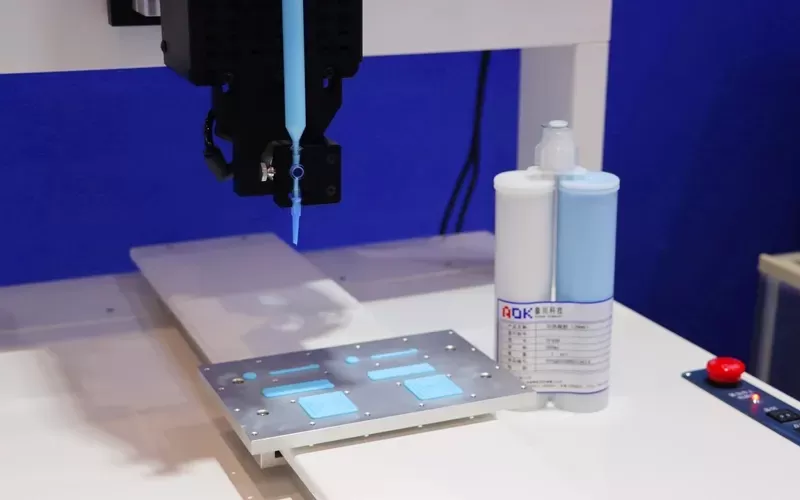
Electronic devices produce heat every second. Computers, EV batteries, LED systems, and telecom equipment all create thermal pressure during operation. If the heat stays trapped inside the system, electronic parts may lose efficiency or fail early. Because of this, manufacturers now focus heavily on thermal management.
One important solution involves thermal conductive gel. This material helps transfer heat from electronic components to cooling systems. It also fills tiny air gaps between surfaces. As a result, heat moves more smoothly through the device.
Modern industries now use conductive compounds in many applications. These materials support better cooling, longer equipment life, and more stable performance. In addition, flexible thermal compounds work well in systems exposed to vibration and changing temperatures.
This article explains how conductive gel supports modern electronics. It also explores its role in different industries and why manufacturers continue using advanced thermal materials.
What Is Conductive Gel?
Conductive gel is a soft thermal interface material. Manufacturers place it between heat-generating components and cooling devices. The material improves heat transfer and reduces thermal resistance.
Electronic surfaces may look smooth. However, they contain microscopic gaps and rough areas. Air fills those spaces naturally. Since air blocks heat flow, cooling efficiency drops quickly.
Conductive compounds solve this problem. They replace trapped air and create a better thermal pathway.
Unlike traditional paste, gel-based materials stay flexible after application. Therefore, they maintain contact during expansion, vibration, and thermal cycling.
Many modern formulas contain ceramic fillers, silicone compounds, or carbon-based additives. These ingredients improve thermal conductivity while supporting long-term stability.
Why Heat Management Matters in Electronics
Every electronic system needs proper heat control. High temperatures reduce performance and damage sensitive parts over time.
For example, overheating may cause:
- Slower processor speeds
- Battery damage
- Reduced LED brightness
- Shorter component lifespan
- Unexpected system shutdowns
Therefore, manufacturers invest heavily in thermal management technologies. Good cooling systems improve device reliability. They also support stable performance during heavy workloads.
As electronics become smaller and more powerful, thermal control becomes even more important. Compact devices contain less airflow space. Because of this, efficient heat transfer materials help prevent thermal buildup.
Applications in Consumer Electronics
Consumer electronics use conductive compounds every day. Laptops, gaming PCs, smartphones, and tablets all require efficient cooling systems.
Processors and graphics chips generate large amounts of heat during gaming, streaming, and multitasking. Conductive materials help move this heat toward heatsinks and cooling fans.
Gaming computers especially depend on thermal management because modern GPUs operate under intense workloads. Without proper cooling, gaming performance may drop significantly.
Smartphones also benefit from advanced thermal materials. Fast charging systems create concentrated heat inside compact spaces. Conductive compounds help distribute that heat more evenly.
Additionally, modern laptops use thinner designs than older models. Since compact systems have less cooling space, manufacturers rely on efficient thermal materials to maintain safe operating temperatures.
Use in Electric Vehicles
Electric vehicles require strong thermal management systems. Batteries, power electronics, and charging units all create heat during operation.
Battery cells expand and contract while charging and discharging. Because of this movement, flexible conductive compounds work better than rigid materials. Thermal conductive materials help cool:
- Battery modules
- Inverters
- Charging systems
- Power converters
- Electric drive systems
Stable temperatures improve battery lifespan and charging efficiency. In addition, proper cooling helps reduce safety risks inside EV battery packs.
Modern electric vehicles also contain advanced sensors and onboard computing systems. These components need reliable thermal management for long-term performance.
As EV adoption continues growing worldwide, demand for advanced thermal materials will likely increase as well.
Applications in LED Lighting
LED systems generate heat in very small spaces. If temperatures rise too high, light quality and brightness may decrease.
Conductive compounds help transfer heat away from LED chips toward cooling structures. Consequently, lighting systems maintain more stable performance.
Outdoor LED displays and industrial lighting systems often face difficult environmental conditions. Rain, vibration, and changing temperatures may affect thermal stability.
Flexible thermal compounds perform well in these environments because they maintain contact over long periods.
Additionally, smart lighting systems contain electronic drivers and communication modules. Proper heat management helps protect these sensitive components from thermal stress.
Role in Telecommunications Equipment
Telecommunication infrastructure operates continuously every day. Servers, routers, antennas, and data processing systems generate constant heat.
5G equipment especially requires strong cooling systems because high-speed communication hardware processes large amounts of data.
Conductive thermal materials help maintain stable operating temperatures in telecom systems. They also support long-term reliability in outdoor installations. Telecom hardware often experiences:
- Temperature fluctuations
- Mechanical vibration
- Dust exposure
- Continuous operation
Flexible conductive compounds handle these conditions very effectively. As internet usage and cloud computing continue growing, telecom providers require better thermal management systems to support expanding infrastructure.
Importance in Industrial Electronics
Factories use electronic systems for automation, robotics, monitoring, and power control. These systems often operate under heavy thermal loads for long periods. Industrial environments may expose electronics to:
- High temperatures
- Continuous vibration
- Dust and debris
- Moisture exposure
Conductive compounds help protect electronic components under these conditions.
Industrial power modules and control systems generate significant heat during operation. Therefore, manufacturers use thermal materials to improve cooling efficiency and system stability.
Many industrial systems also remain difficult to access after installation. Long-lasting thermal compounds help reduce maintenance costs and equipment downtime.
Why Material Quality Matters?
Not all conductive compounds perform equally. Low-quality materials may dry out, crack, or separate over time. As a result, cooling efficiency may decline.
Poor thermal performance can lead to overheating and shorter equipment lifespan. Therefore, selecting reliable suppliers becomes extremely important. Good suppliers usually provide:
- Consistent thermal conductivity
- Product testing data
- Technical support
- Stable manufacturing quality
- Material safety documentation
Before choosing a product, manufacturers should test thermal materials under real operating conditions. This process helps confirm long-term reliability and performance stability.
Tips for Selecting Conductive Gel
Different applications require different thermal solutions. Therefore, buyers should evaluate operating conditions carefully before selecting a material. Important factors include:
- Operating temperature range
- Surface roughness
- Exposure to vibration
- Maintenance accessibility
- Device lifespan goals
- Thermal conductivity requirements
Flexible conductive compounds usually work better in systems exposed to movement or thermal expansion.
In addition, proper installation greatly affects performance. Even high-quality thermal materials cannot work effectively if users apply them incorrectly.
Conclusion
Modern electronics depend on efficient thermal management systems. Without proper heat control, devices may lose performance, experience overheating, or fail earlier than expected.
Conductive compounds improve heat transfer between electronic parts and cooling systems. They also maintain stable contact under vibration and changing temperatures.
Today, industries such as consumer electronics, electric vehicles, telecommunications, LED lighting, and industrial automation all rely on advanced thermal materials for reliable performance.
As electronics continue becoming smaller and more powerful, demand for effective cooling solutions will continue increasing. Therefore, conductive gel will remain an important part of modern electronic design and thermal management technology.