How Much Does a DTF Printer Cost to Start? Complete Startup Cost Guide
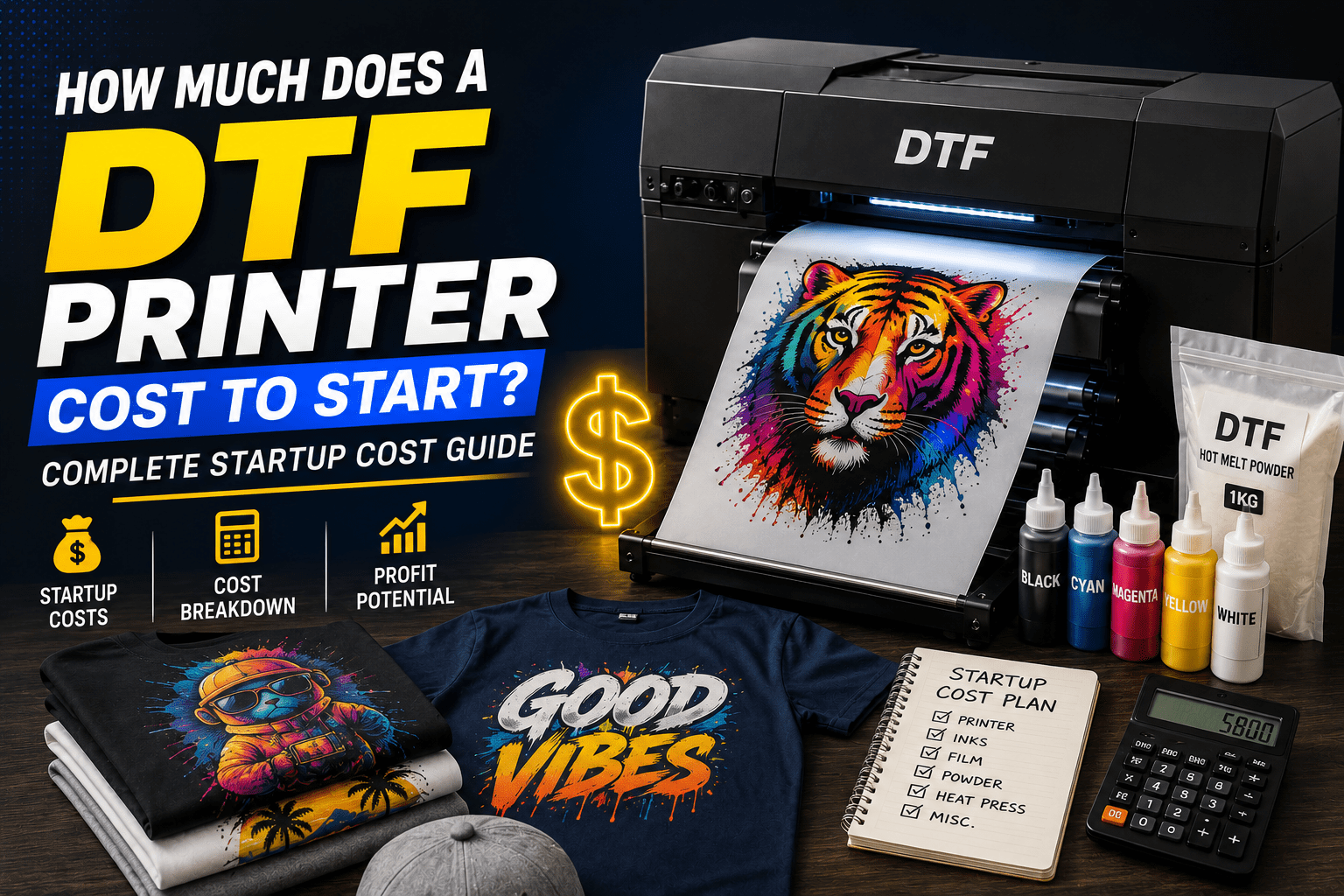
Starting a DTF printing business looks exciting from the outside. Social media is filled with creators printing custom shirts, building clothing brands, and shipping personalized orders from home-based setups.
What many videos do not show is the actual startup investment behind those operations.
A DTF Printer setup involves much more than buying a machine and pressing designs onto shirts. Equipment, consumables, maintenance, software, workspace preparation, and production goals all affect the total cost.
Some beginners enter the market for a few thousand dollars, while others invest well over $15,000 for faster production and commercial-level reliability.
The good news is that DTF printing still offers one of the most accessible entry points into the custom apparel industry. Compared to screen printing, embroidery, or large-format production systems, DTF Printers provide flexibility, lower minimum order requirements, and strong profit potential for small businesses.
This guide explains the real cost of starting with a DTF Printer, including hidden expenses, ongoing operating costs, and what buyers should realistically expect before making an investment.
What Is a DTF Printer?
A DTF Printer is a Direct-to-Film printing system used to create full-color garment transfers.
Instead of printing directly onto apparel, the printer creates designs on PET transfer film using textile inks. Adhesive powder is applied to the film, cured with heat, and then transferred onto garments using a heat press.
DTF printing works on:
• Cotton
• Polyester
• Cotton blends
• Hoodies
• Tote bags
• Sportswear
• Work uniforms
One reason DTF Printers have become so popular is the ability to produce high-quality custom apparel without expensive screen setup costs.
Average Cost of a DTF Printer Setup
The total investment depends on the production level you plan to achieve.
DTF Printer Startup Cost Breakdown
Setup Type Estimated Cost
Entry-Level Hobby Setup $2,500 – $5,000
Beginner Small Business Setup $5,000 – $10,000
Commercial Production Setup $10,000 – $25,000+
The actual cost depends on:
• Printer quality
• Print size
• Production speed
• Automation level
• Included accessories
• Workspace requirements
A basic setup may work for low-volume Etsy orders, while larger businesses often require faster production systems and more advanced workflow equipment.
What Equipment Do You Need Besides the DTF Printer?
This is where many first-time buyers underestimate the investment.
A DTF Printer alone cannot complete the production process.
Heat Press Machine
A heat press is required to transfer the design from film onto fabric.
Heat Press Pricing
Heat Press Type Estimated Cost
Entry-Level Manual Press $200 – $500
Professional Swing-Away Press $600 – $1,500
Automatic Commercial Press $2,000+
A reliable heat press improves:
• Transfer consistency
• Print durability
• Production speed
• Pressure accuracy
Cheap presses often create uneven pressure or temperature fluctuations that affect print quality
RIP Software
DTF printing requires RIP software to control:
• White ink layers
• Color management
• Print settings
• Ink distribution
RIP Software Costs
Software Level Estimated Cost
Basic RIP Software Included or $200+
Professional RIP Software $500 – $1,500+
Better software usually produces cleaner gradients, improved color accuracy, and more efficient production workflows.
Many first-time buyers working with DTG PRO ask whether software quality really matters. For businesses selling customer-facing apparel, it absolutely does.
DTF Film and Powder Costs
Consumables become a major part of long-term operating expenses.
PET Transfer Film Costs
Film Type Estimated Cost
A4 Transfer Sheets $0.30 – $0.80 each
Roll Film $80 – $300 per roll
Higher-quality film generally produces:
• Better detail
• Stronger transfers
• Improved wash durability
• More consistent prints
Adhesive Powder Costs
Powder Type Estimated Cost
Standard DTF Powder $20 – $80 per kilogram
Powder quality affects:
• Stretch resistance
• Durability
• Texture
• Adhesion quality
Low-quality powder can lead to peeling or cracking after repeated washing.
DTF Ink Costs
Ink is one of the largest ongoing expenses in DTF printing.
DTF Printers use:
• Cyan
• Magenta
• Yellow
• Black
• White textile ink
White ink usage is usually the highest because it forms the base layer beneath the design.
Estimated Monthly Ink Costs
Usage Level Estimated Monthly Cost
Hobby Use $50 – $150
Small Business $300 – $800
Commercial Production $1,000+
Ink usage depends heavily on:
• Print coverage
• Production volume
• Artwork complexity
• White ink density settings
At DTG PRO, we often recommend avoiding extremely cheap third-party inks because they can increase clogging issues and reduce printhead lifespan.
Workspace Setup Costs
Many buyers overlook the importance of a proper production environment.
DTF printing requires space for:
• Printer placement
• Film handling
• Powder application
• Heat pressing
• Garment storage
• Ventilation
Estimated Workspace Costs
Workspace Type Estimated Cost
Basic Home Setup $100 – $500
Dedicated Production Space $1,000 – $5,000+
Good airflow matters because curing powder can create fumes and airborne particles.
Maintenance Costs of DTF Printers
DTF printing systems require regular maintenance.
This is especially important for white ink circulation systems.
Common Maintenance Expenses
• Cleaning fluid
• Dampers
• Capping stations
• Waste ink containers
• Cleaning tools
• Replacement printheads
Estimated Annual Maintenance Costs
Usage Level Estimated Annual Cost
Light Use $200 – $500
Small Business Use $800 – $2,500
Commercial Production $3,000+
DTG PRO technicians commonly see beginners underestimate maintenance responsibilities during the early stages of ownership.
Why Cheap DTF Printers Can Become Expensive Later
Low-cost printers often look attractive because of the lower upfront price.
However, they may create hidden costs through:
• Frequent downtime
• Printhead clogs
• Software instability
• Inconsistent color output
• Limited technical support
DTF Printer Comparison
Feature Reliable DTF Printers Cheap Generic Printers
Print Consistency Better Unpredictable
Maintenance Experience Easier Higher failure risk
Software Quality More polished Often outdated
Technical Support Better support Limited
Long-Term Reliability More stable Varies heavily
The cheapest machine is rarely the cheapest ownership experience.
Can You Start a DTF Business from Home?
Yes, many businesses successfully operate from:
• Spare rooms
• Garages
• Home offices
• Small studio spaces
A beginner setup can handle:
• Etsy orders
• Small local businesses
• Team apparel
• Event merchandise
• Creator brands
The flexibility of on-demand production is one reason DTF Printers have become so attractive for home-based businesses.
How Fast Can a DTF Printer Become Profitable?
Profitability depends on:
• Sales volume
• Product pricing
• Branding
• Marketing
• Niche selection
• Production efficiency
Example Profit Margins
Product Average Profit Per Item
Custom T-Shirt $10 – $25
Hoodie $15 – $40
Tote Bag $8 – $20
Even moderate monthly order volume can help recover startup costs over time.
Hidden Costs Most Beginners Forget
Failed Prints
Material waste happens during learning stages.
Common causes include:
• Incorrect curing
• Pressure problems
• Color mistakes
• Film handling issues
Shipping and Packaging
Businesses must also budget for:
• Shipping supplies
• Packaging
• Labels
• Ecommerce tools
Graphic Design Costs
Some businesses hire designers or purchase artwork subscriptions.
This becomes an additional operational expense.
Is DTF Printing Worth the Startup Cost?
For many small businesses, yes.
DTF printing offers several advantages:
• Small-batch flexibility
• Strong customization potential
• On-demand production
• Multi-color printing
• Lower inventory risk
• Broad garment compatibility
Businesses focused on personalized apparel and niche branding often achieve healthy margins.
Who Should Invest in DTF Printers?
DTF printing works well for:
• Clothing startups
• Etsy sellers
• Print-on-demand brands
• Local apparel businesses
• Event merchandise sellers
• Social media creators
• Promotional product businesses
The investment tends to make the most sense for people planning to actively market and grow a real business.
Who May Want to Wait?
DTF printing may not be ideal for buyers who:
• Want fully passive income
• Dislike technical maintenance
• Lack production space
• Have no customer demand
• Only print occasionally
Some businesses start by outsourcing transfers before investing in their own equipment.
Common Beginner Mistakes
Buying Equipment Before Building Demand
The printer itself does not generate sales.
Customer acquisition still matters.
Choosing the Cheapest Consumables
Low-quality film, powder, and ink often create poor customer experiences.
Ignoring Maintenance Training
Skipping maintenance routines can quickly damage expensive equipment.
Underpricing Products
Many beginners forget to calculate:
• Material costs
• Failed prints
• Labor time
• Packaging
• Shipping
• Equipment wear
Proper pricing protects profitability.
Frequently Asked Questions
How much does it cost to start DTF printing?
Most beginner DTF setups cost between $4,000 and $10,000 after including equipment, consumables, and workspace preparation.
Are DTF Printers expensive to maintain?
Maintenance costs vary based on usage volume, but regular cleaning and proper ink management are necessary for reliable operation.
Can I start DTF printing from home?
Yes. Many small businesses operate DTF Printers from home workspaces, garages, or dedicated studio areas.
What is the biggest ongoing expense in DTF printing?
Ink, film, powder, and maintenance supplies are usually the largest recurring costs.
Is DTF printing profitable?
DTF printing can produce strong margins when paired with good branding, consistent orders, and quality production workflows.
Do I need a heat press with a DTF Printer?
Yes. A heat press is required to transfer designs from the film onto garments.
Thinking about investing in a DTF Printer for your apparel business or side hustle?
The best setup is not always the cheapest one. Long-term success usually comes from balancing equipment quality, workflow efficiency, maintenance reliability, and realistic production goals.
At DTG PRO, we help businesses evaluate DTF Printers, consumables, production workflows, and startup requirements based on real-world printing needs. Whether you are launching a home-based clothing brand or expanding an existing custom apparel business, choosing the right DTF setup from the beginning can improve print consistency, reduce downtime, and create a stronger return on investment over time.