How to get started with DTF printing as a side business in 2026? Today!
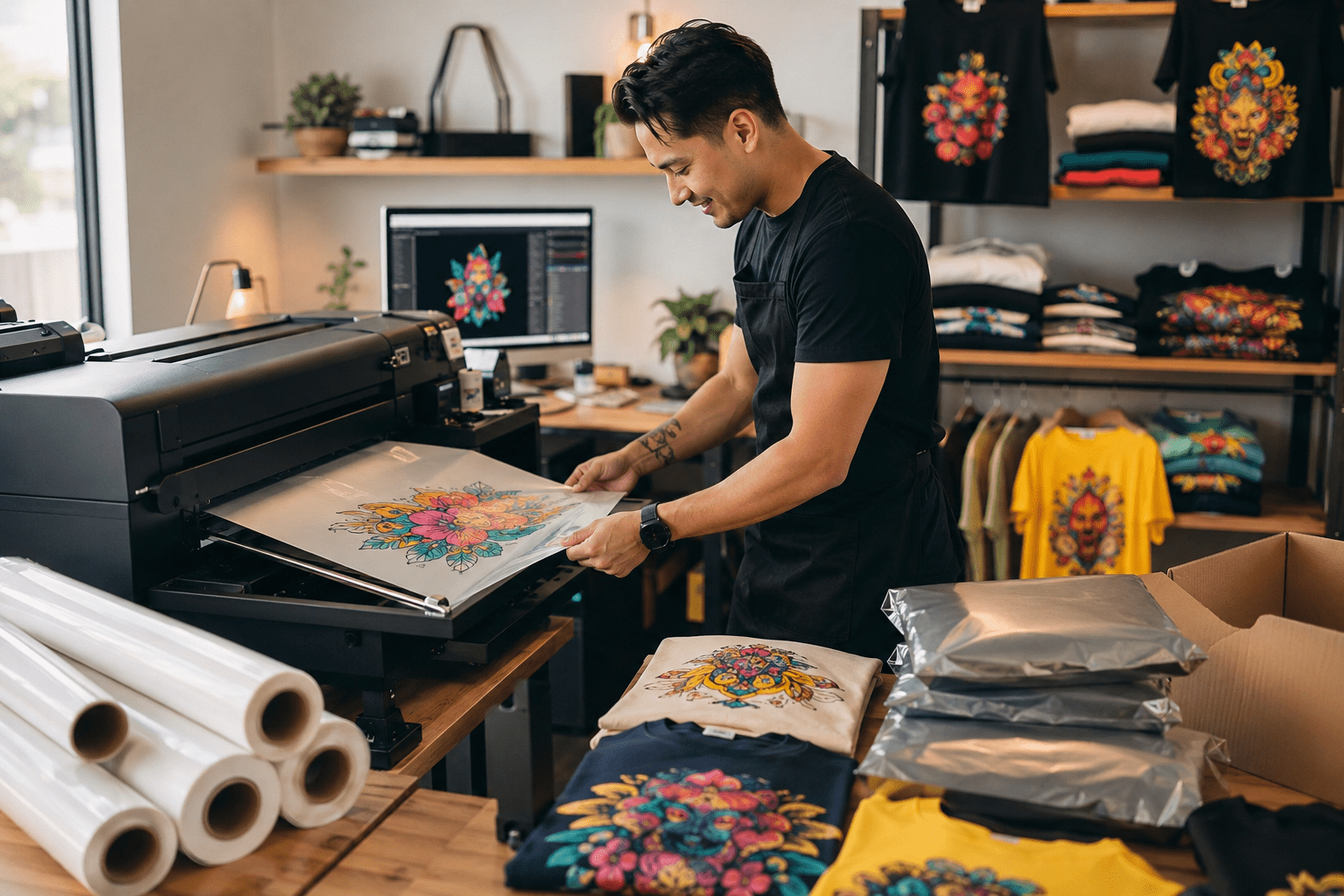
Starting a side business has become more appealing than ever, especially for individuals looking to generate additional income while maintaining their current job or responsibilities. In 2026, custom apparel continues to be a growing market, driven by demand for personalized clothing, branded merchandise, and print-on-demand products. Among the opportunities available, DTF printing stands out as an accessible and scalable option for entrepreneurs who want to enter the custom printing industry without building a large production facility.
Whether you are a designer, creative entrepreneur, or someone exploring new business opportunities, understanding the basics of DTF printing can help you build a profitable side venture.
Why DTF Printing Is Popular for Side Businesses
The custom apparel market has evolved significantly in recent years. Consumers increasingly want unique designs, personalized products, and small-batch orders that traditional production methods may not efficiently support.
Many entrepreneurs are choosing DTF Printers because they offer flexibility across various fabric types while allowing businesses to handle both small and larger order volumes. This versatility makes the technology attractive for side business owners who need a production solution that can grow alongside their business.
Understand the Market Before You Start
Before purchasing equipment or creating designs, it’s important to identify your target audience.
Potential customer segments include:
- Local businesses
- Sports teams
- Schools and organizations
- Content creators
- Small clothing brands
- Event organizers
- E-commerce customers
Understanding your audience helps determine the types of products you should offer and how you should market your services.
Create a Simple Business Plan
You don’t need a lengthy business plan to get started, but having a clear roadmap can improve your chances of success.
Consider:
Startup Budget
Calculate your expected expenses, including equipment, supplies, marketing, and workspace requirements.
Product Selection
Decide whether you will focus on t-shirts, hoodies, tote bags, promotional items, or a combination of products.
Sales Channels
Determine where you will sell your products:
- Etsy
- Shopify
- Social media platforms
- Local events
- Community partnerships
A clear strategy helps you avoid unnecessary expenses during the early stages.
Choose the Right Equipment
Selecting appropriate equipment is one of the most important decisions you’ll make.
When evaluating options, consider:
- Print quality
- Production speed
- Ease of use
- Software compatibility
- Technical support
- Maintenance requirements
Companies such as DTGPRO provide access to various printing solutions, training resources, and industry expertise that can help new business owners better understand available equipment options before making an investment.
Learn the Production Process
Successful operators take time to understand the complete workflow rather than focusing only on the printing stage.
Key steps typically include:
- Design preparation
- File management
- Printing
- Powder application
- Curing
- Heat transfer
- Quality inspection
Learning each stage thoroughly helps reduce mistakes and improve customer satisfaction.
Build a Strong Brand Presence
Even a small side business benefits from professional branding.
Focus on:
Professional Design
Create a memorable logo and consistent visual identity.
Social Media Marketing
Share product examples, customer stories, and behind-the-scenes content.
Customer Reviews
Encourage satisfied customers to leave feedback and testimonials.
Building trust early can significantly increase referral business and repeat customers.
Focus on Quality Over Quantity
Many new entrepreneurs attempt to scale too quickly. A better approach is to prioritize quality and customer experience.
Delivering high-quality products consistently helps build a positive reputation and creates opportunities for long-term growth.
Customers are more likely to recommend businesses that provide:
- Reliable communication
- Consistent print quality
- On-time delivery
- Professional service
Understand Costs and Profit Margins
Profitability depends on understanding both direct and indirect costs.
Common expenses include:
- Blank garments
- Consumables
- Packaging
- Shipping
- Marketing
- Equipment maintenance
Carefully tracking expenses allows you to price products appropriately while maintaining healthy profit margins.
Prepare for Growth
A side business may begin with a handful of weekly orders, but demand can increase quickly if your products gain traction.
Plan ahead by considering:
- Workflow efficiency
- Order management systems
- Customer service processes
- Production capacity
Having scalable systems in place makes expansion easier when opportunities arise.
Conclusion
Starting a custom apparel venture in 2026 can be a practical way to generate additional income while building valuable business skills. Success comes from understanding your market, selecting reliable equipment, maintaining quality standards, and creating a strong customer experience. With proper planning and consistent effort, even a small operation can develop into a profitable business over time. For entrepreneurs seeking a flexible production solution, a DTF Printer can provide the foundation needed to launch and grow a successful side business in today’s competitive custom apparel market.