Can Heat Pump Grants Help Off-Gas Homes Switch to Cleaner Heating?
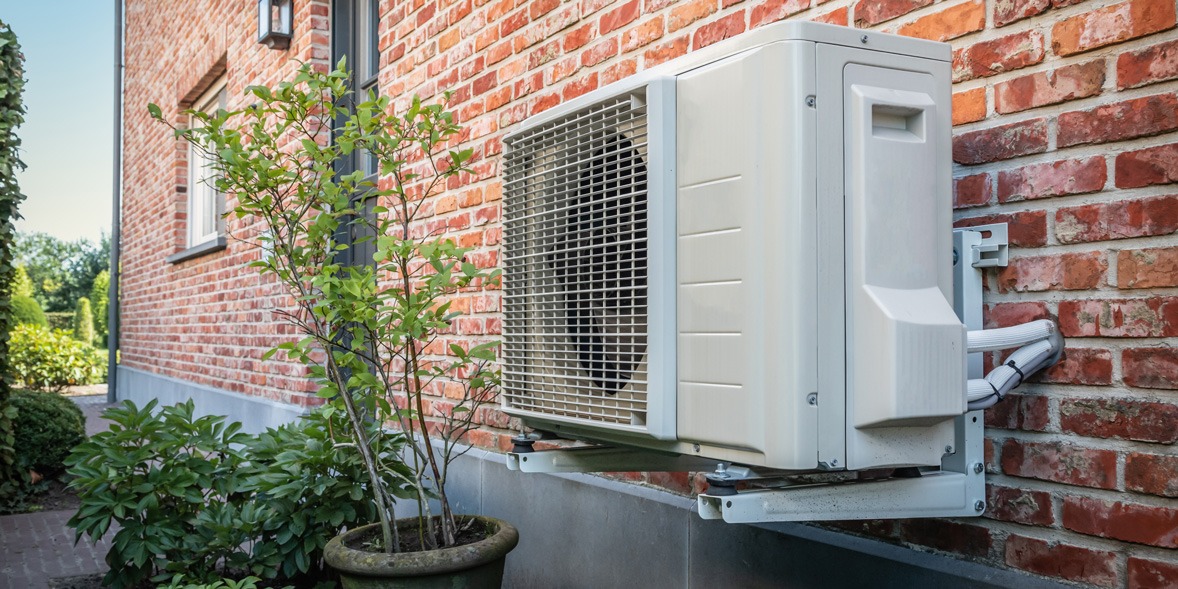
For many households in rural parts of the UK, heating is often more expensive than people realise. If your home is not connected to the gas network, there’s a good chance you rely on oil, LPG, electric storage heaters, or another alternative fuel source. While these systems can keep a property warm, they often come with higher running costs and greater exposure to fuel price fluctuations.
As energy prices continue to concern homeowners, heat pumps have attracted growing interest. At the same time, government grants have made many people wonder whether switching is finally affordable.
The question is simple: can heat pump grants genuinely help off-gas homes make the move?
The short answer is yes, but there are several important factors worth understanding before making a decision.
Why Are Off-Gas Homes Looking at Heat Pumps?
Homes outside the gas grid face different challenges from properties connected to mains gas.
Many rely on fuel deliveries throughout the year. Others use electric heating systems that can become costly during colder months. Because of this, homeowners often look for heating solutions that offer greater efficiency and more predictable running costs.
Heat pumps have become a popular option because they do not burn fuel to create heat. Instead, they capture existing heat from the outside air or the ground and transfer it indoors.
This approach can make them significantly more efficient than many traditional heating systems when properly installed and matched to the property.
How Do Heat Pump Grants Work?
One of the biggest barriers to heat pump adoption is the upfront installation cost.
While running costs may be attractive over time, the initial investment can feel difficult for many households to justify.
This is where the Boiler Upgrade Scheme comes into the picture.
The scheme provides financial support towards eligible heat pump installations, helping reduce the amount homeowners need to pay themselves. Rather than covering the entire project, the grant contributes towards the installation cost, making low-carbon heating more accessible.
For many off-gas households, this support can make the difference between considering a heat pump and actually moving forward with one.
Why Are Off-Gas Properties Often Good Candidates?
Interestingly, homes without access to mains gas are frequently among the strongest candidates for heat pumps.
There are several reasons for this.
First, many off-grid households already face relatively high heating costs. Replacing oil or direct electric heating can sometimes offer meaningful efficiency improvements.
Second, homeowners in rural locations often have more outdoor space available, which can simplify installation requirements.
Finally, because there is no gas connection to compare against, the financial case can sometimes be easier to justify than in properties currently using an efficient gas boiler.
That said, suitability still depends on the individual property.
Does Every Off-Gas Home Qualify?
Not necessarily.
Grant eligibility depends on the specific rules in place at the time of application. Requirements can change, so homeowners should always review current guidance before making plans.
In general, factors that may affect eligibility include:
- The type of property
- Existing heating system
- Energy performance characteristics
- Installer accreditation
- Proposed heating technology
A professional assessment is usually the best way to determine whether both the property and the installation qualify.
Will a Heat Pump Work in an Older Rural Property?
This is one of the most common concerns among homeowners.
Many people assume heat pumps only work in new-build houses. In reality, they can perform well in older homes too, although preparation matters.
The key factor is heat retention.
A house that loses heat rapidly will place greater demands on any heating system, regardless of whether it uses a boiler or a heat pump.
Before installation, it often makes sense to assess:
- Loft insulation
- Wall insulation
- Window performance
- Draught proofing
- General energy efficiency
Improving insulation first can sometimes deliver noticeable comfort benefits while helping the heat pump operate more effectively afterwards.
What Costs Are Not Always Covered by Grants?
This area often causes confusion.
While grants reduce installation costs, they rarely pay for every aspect of the project.
Depending on the property, homeowners may still need to contribute towards:
- Radiator upgrades
- Pipework modifications
- Hot water cylinders
- Electrical improvements
- Additional insulation work
The exact amount varies from one property to another.
For this reason, obtaining a detailed quotation is essential before making financial decisions.
Are Heat Pumps Cheaper to Run?
There is no universal answer because every household uses energy differently.
Several factors influence running costs:
- Property insulation levels
- Heat pump efficiency
- Electricity prices
- Indoor temperature preferences
- System design quality
A well-designed system in a suitable property may reduce overall heating costs compared with oil, LPG, or direct electric heating.
However, homeowners should be cautious of promises that guarantee savings. Real-world performance depends heavily on installation quality and how the system is used.
Common Misunderstandings About Heat Pump Grants
A few myths continue to circulate.
“The Grant Pays for Everything”
In most cases, homeowners still contribute towards the overall project cost.
“Any House Can Have a Heat Pump”
Many homes are suitable, but each property requires proper assessment.
“Heat Pumps Don’t Work in Winter”
Modern systems are designed to operate during cold weather and are widely used across countries with harsher winters than the UK.
“Applying Guarantees Approval”
Meeting eligibility requirements remains essential, and funding programmes operate according to specific rules.
Practical Steps Before Applying
If you live in an off-gas property and are considering a heat pump, taking a few simple steps can help.
Review Your Current Heating Costs
Gather fuel bills from the past year to understand your actual heating expenses.
Improve Insulation Where Possible
Reducing heat loss often improves comfort and helps any new heating system perform better.
Arrange a Professional Survey
A qualified installer can assess whether your property is suitable and explain potential upgrade requirements.
Check Current Grant Conditions
Funding schemes evolve over time, so always confirm the latest eligibility criteria before proceeding.
The Bottom Line
Heat pump grants can play a valuable role in helping off-gas households move towards lower-carbon heating. By reducing upfront installation costs, they make a technology that might otherwise feel out of reach more accessible.
However, grants are only one part of the decision. Property suitability, insulation quality, installation standards, and long-term running costs all matter just as much.
For homeowners living away from the gas network, a heat pump can be an attractive option when the home is properly prepared and the system is carefully designed. Understanding both the benefits and the limitations allows you to make a decision based on practical facts rather than assumptions.