A Complete Guide to Different Types of Car Tyre and Their Benefits
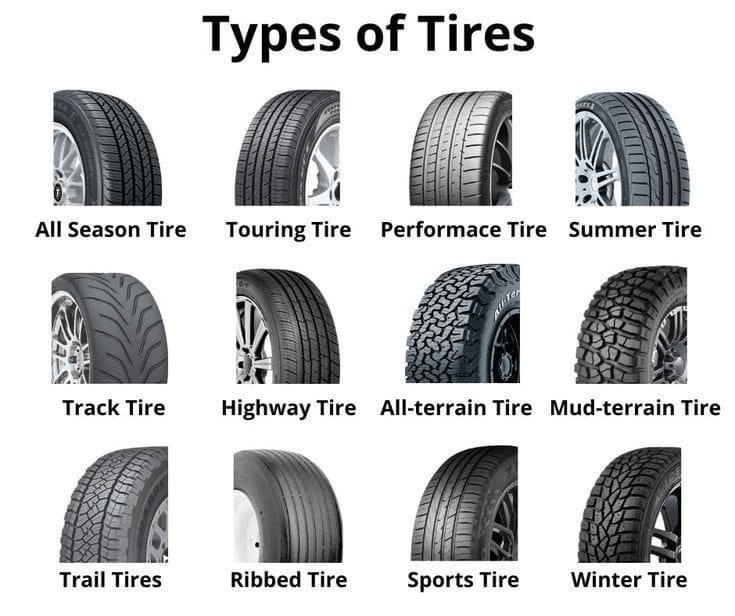
Understanding the different types of car tyre helps you choose safer, more comfortable, and more cost-effective replacements. Many Indian drivers buy tyres only when the old set looks worn out, but tyre choice affects braking, grip, fuel efficiency, ride comfort, road noise, and wet-road confidence. The right tyre depends on your car, route, climate, driving style, and load.
Tyres also influence the overall ownership experience of a used car. A well-chosen set can make an older vehicle feel more stable, while a poor set can increase noise and reduce safety.
Tubeless tyres
Tubeless tyres are common in modern cars. They do not use a separate inner tube. Air stays between the tyre and the rim, and small punctures often lose air slowly instead of deflating immediately. This gives the driver more time to stop safely. Tubeless tyres also run cooler than tube-type tyres in many conditions.
They suit most daily users because puncture repair is convenient and availability is strong across Indian cities and highways. However, the wheel rim must be in good condition. A bent or rusted rim can cause air leakage. Always check valves during tyre replacement.
Tube-type tyres
Tube types of car tyre use an inner tube to hold air. They are less common in new passenger cars but may still appear in older vehicles or certain commercial uses. They can be repaired in many small workshops, which may help in remote locations. However, sudden punctures can lead to quick air loss because the tube can tear.
For most private cars, tubeless tyres are now the practical choice. If your older vehicle still uses tube-type tyres, ask a trusted tyre shop whether a safe tubeless conversion is possible with suitable rims. Do not mix tyre types randomly.
Radial tyres
Radial tyres use steel belts and a construction pattern that improves road contact, stability, and tread life. Most modern passenger car tyres are radial. They offer better ride comfort and fuel efficiency compared with older bias-ply designs. For city and highway use, radial tyres are usually the standard option.
When replacing tyres, check the size recommended by the car manufacturer. Upsizing may look attractive, but it can affect steering, mileage, suspension behaviour, and speedometer reading. Choose size changes only after expert advice.
Highway and touring tyres
Highway or touring tyres focus on comfort, low noise, stable straight-line driving, and long tread life. They suit people who travel on expressways, national highways, and daily office routes. These tyres may not look sporty, but they often give a balanced mix of durability and comfort.
If your family uses the car for long trips, touring tyres can reduce fatigue. They work well when you maintain correct pressure, rotate tyres on schedule, and keep wheel alignment in check.
Performance tyres
Performance tyres offer stronger grip, sharper steering response, and better handling at higher speeds. They suit powerful hatchbacks, sedans, and SUVs driven by enthusiasts. The trade-off can include higher cost, faster wear, more road noise, and lower comfort on broken roads.
Choose performance tyres only if your driving style and roads justify them. For normal city use, a comfort-focused tyre may deliver better value. Never buy performance tyres just for appearance if you are not ready for the maintenance cost.
All-terrain tyres
All-terrain tyres suit SUVs that regularly face rough roads, village routes, construction areas, mild trails, or broken surfaces. They have stronger tread blocks and sidewalls than regular road tyres. They can improve grip on loose surfaces but may create more noise on highways.
Do not fit aggressive all-terrain tyres on a city SUV unless you need them. They can reduce fuel efficiency and comfort. Match the tyre to real use, not weekend imagination.
How to choose the right tyre
Check size, load rating, speed rating, manufacturing date, tread pattern, warranty, and brand support. Buy from a reliable seller and insist on a proper bill. Avoid old stock even if the discount looks tempting. Tyres age even when unused.
Maintain pressure every two weeks, rotate tyres as recommended, and align wheels if the car pulls to one side. Good tyres need good care to deliver their benefits.
Before spending on cosmetic upgrades or car seat accessories, check whether the tyres need attention. Safety should come first.
Check tyre age as well as tread depth
A tyre can look usable and still be old. Look for the manufacturing week and year on the sidewall. Heat, sunlight, rough roads, and long parking periods can harden rubber over time. Old rubber can reduce grip even when some tread remains.
Replace tyres in pairs or as a full set when wear is uneven. Mixing very different tread patterns or ages can affect braking and stability. Ask the tyre shop to check alignment and balancing after fitting the new set. Recheck pressure after a few days of driving because freshly fitted tyres can settle differently on the rim.
Conclusion
The main types of car tyre include tubeless, tube-type, radial, touring, performance, and all-terrain options. Each serves a different purpose. Choose tyres based on safety, road conditions, comfort, and running cost. The right set can improve your car more than many visual accessories.