DTF vs Screen Printing: What’s the Difference and Which Is Better?
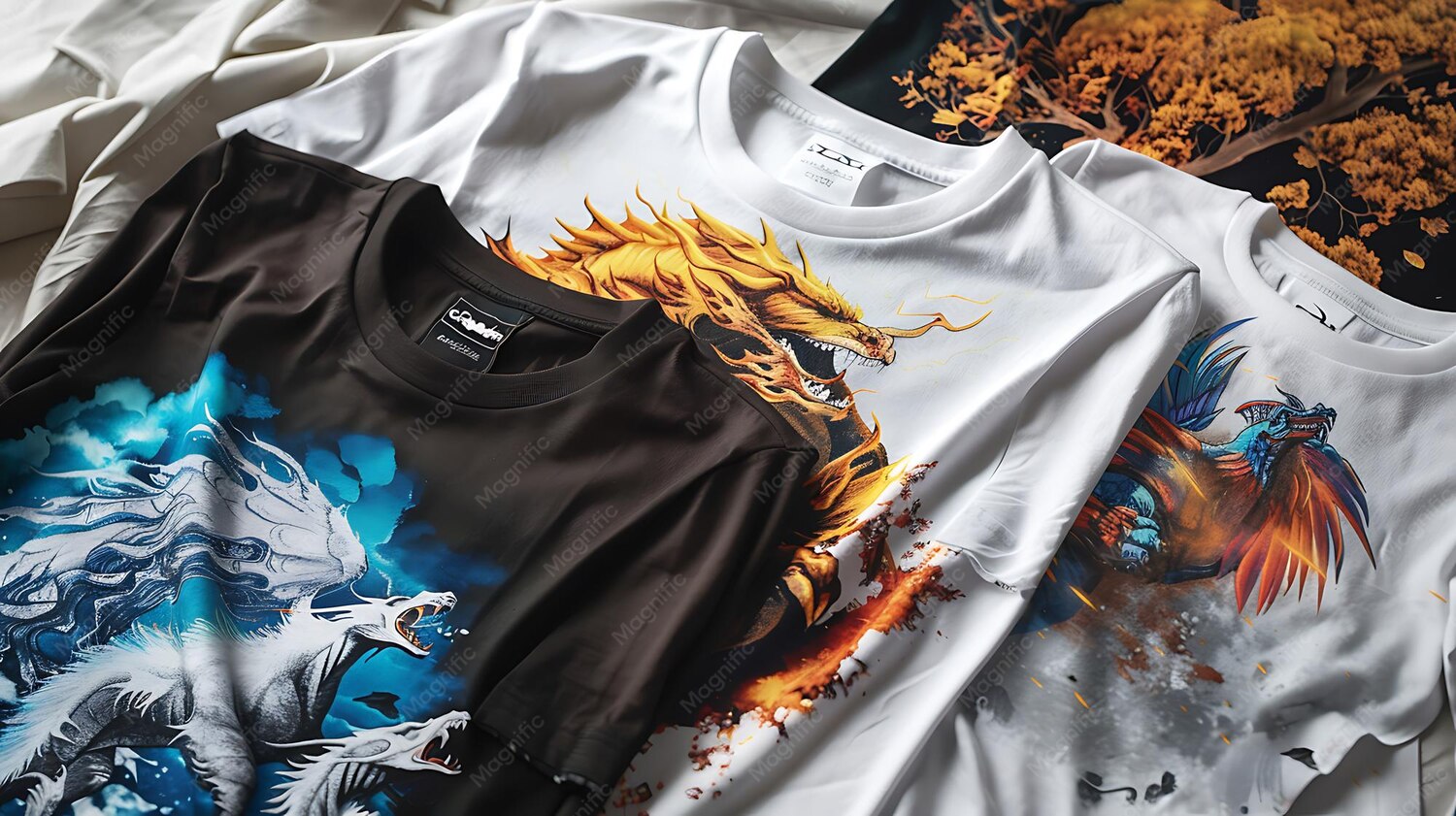
If you are starting a custom apparel business, one of the first major decisions is choosing between DTF printing and screen printing. Both methods are widely used in the garment decoration industry, but they operate very differently and serve different business models.
Some businesses rely on screen printing for large bulk orders and long production runs. Others prefer DTF Printers because they allow fast customization, small-batch production, and on-demand printing without complicated setup.
The challenge is that many comparisons oversimplify the discussion.
DTF printing is not automatically “better” than screen printing, and screen printing is not outdated. Each method has strengths, limitations, operating costs, and ideal use cases depending on production volume, design complexity, budget, and business goals.
This guide explains the real differences between DTF printing and screen printing so you can choose the right setup for your business, workflow, and long-term growth plans.
What Is DTF Printing?
DTF stands for Direct-to-Film printing.
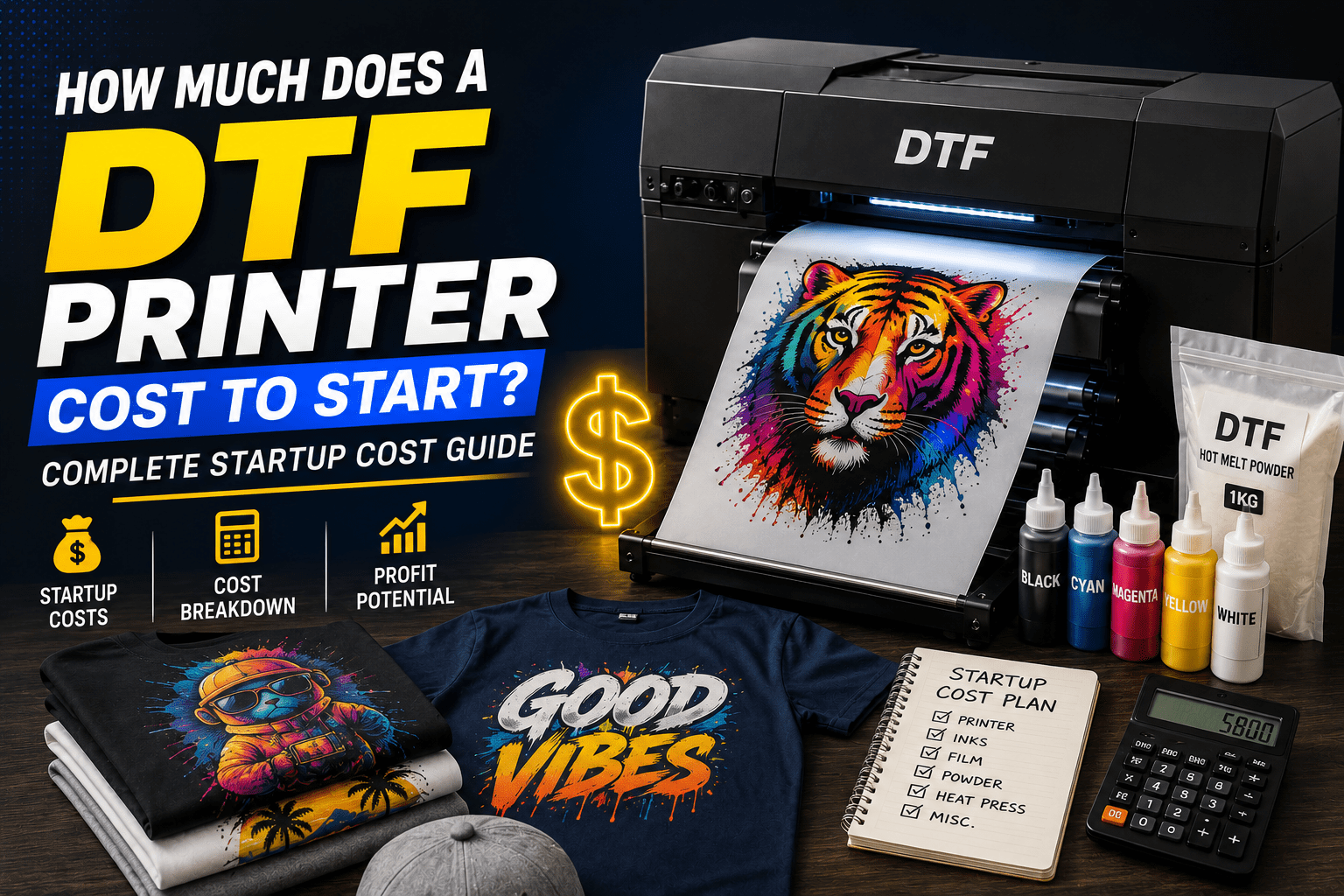
DTF Printers create designs on special PET transfer film using textile inks. Adhesive powder is applied to the printed design, cured with heat, and transferred onto garments using a heat press.
DTF printing works well on:
• Cotton
• Polyester
• Blends
• Dark garments
• Light garments
• Hoodies
• Tote bags
• Sportswear
One of the biggest advantages of DTF printing is the ability to produce detailed full-color prints without creating screens for every design.
What Is Screen Printing?
Screen printing is a traditional garment printing method that pushes ink through mesh screens onto fabric.
Each color in the design typically requires its own screen setup.
Screen printing is commonly used for:
• Bulk apparel production
• Team uniforms
• Corporate orders
• Promotional merchandise
• Large event printing
Although screen printing requires more setup labor, it remains highly efficient for large-volume production.
Core Difference Between DTF and Screen Printing
The biggest difference is production workflow.
DTF Printing Workflow
1. Design printed onto transfer film
2. Adhesive powder applied
3. Film cured
4. Heat press transfers design onto garment
Screen Printing Workflow
1. Design separated into color layers
2. Screens created for each color
3. Ink pushed through screens
4. Garments cured after printing
DTF printing relies heavily on digital automation, while screen printing involves more manual setup preparation.
DTF vs Screen Printing: Side-by-Side Comparison
Feature DTF Printing Screen Printing
Setup Time Fast Longer
Small Orders Excellent Less efficient
Bulk Orders Moderate Excellent
Multi-Color Designs Easy More labor-intensive
Photo Printing Strong capability Limited practicality
Material Compatibility Broad Strong but fabric-focused
Production Speed Moderate Very fast at scale
Initial Equipment Cost Moderate Moderate to high
Learning Curve Moderate Moderate to high
Inventory Flexibility Excellent Lower flexibility
Which Method Is Better for Beginners?
For many beginners, DTF Printers are easier to start with.
Why?
Because DTF printing removes several barriers associated with screen printing, including:
• Screen creation
• Ink mixing complexity
• Large minimum orders
• Extensive setup labor
A beginner can realistically start producing shirts with:
• A DTF Printer
• Heat press
• Transfer film
• Powder
• RIP software
Screen printing setups often require:
• Multiple screens
• Exposure units
• Washout areas
• Drying equipment
• Larger workspace
At DTG PRO, we often recommend DTF printing for small startups and home-based businesses because of its flexibility and lower production barriers.
Print Quality Comparison
Both methods can produce professional-quality apparel when done properly.
However, the print characteristics feel different.
DTF Print Characteristics
DTF printing typically offers:
• Vibrant colors
• High-detail artwork
• Photo-quality graphics
• Strong color gradients
• Soft-to-medium texture
DTF excels with:
• Complex artwork
• Multi-color graphics
• Small text details
• Full-color prints
Screen Printing Characteristics
Screen printing usually provides:
• Strong ink coverage
• Excellent durability
• Bold solid colors
• Softer feel on simple designs
Screen printing performs especially well for:
• Simple logos
• Large bulk runs
• Spot-color artwork
• Athletic apparel
Which Is Better for Small Orders?
DTF printing wins this category easily.
Screen printing becomes expensive for small orders because each design requires setup time and screens.
DTF Printers allow profitable production of:
• One-off shirts
• Personalized items
• Small test batches
• Custom names and numbers
This flexibility is one reason DTF printing has become so popular with Etsy sellers and ecommerce brands.
Which Is Better for Bulk Production?
Screen printing still dominates large-volume production.
Once setup is complete, screen printing becomes extremely efficient for producing hundreds or thousands of identical garments quickly.
Bulk Production Comparison
Production Type Better Option
1–20 Shirts DTF Printing
20–100 Shirts Depends on design
100+ Shirts Screen Printing
Businesses handling large corporate or event orders often continue using screen printing because the cost per shirt decreases significantly at scale.
Equipment Cost Comparison
Startup investment varies heavily depending on setup size and automation level.
DTF Startup Costs
Equipment Estimated Cost
DTF Printer $2,500 – $8,000
Heat Press $300 – $1,500
Consumables $500 – $2,000
Screen Printing Startup Costs
Equipment Estimated Cost
Press Setup $2,000 – $10,000+
Screens & Exposure Units $1,000 – $5,000
Drying Equipment $1,000 – $5,000+
Screen printing costs can scale quickly depending on production size.
Maintenance Comparison
Both methods require maintenance, but the type of maintenance differs significantly.
DTF Printer Maintenance
DTF Printers require:
• Daily cleaning
• White ink circulation management
• Printhead maintenance
• Ink system monitoring
Neglect can cause:
• Clogged printheads
• Ink flow problems
• Expensive repairs
DTG PRO technicians commonly see maintenance issues become the biggest challenge for new DTF users.
Screen Printing Maintenance
Screen printing requires:
• Screen cleaning
• Ink cleanup
• Chemical handling
• Workspace cleaning
The maintenance is more manual but generally less dependent on delicate electronic components.
Which Printing Method Is More Profitable?
Profitability depends on business model and order type.
DTF Printing Profit Strengths
DTF works well for:
• Personalized products
• Short-run orders
• Ecommerce brands
• On-demand printing
• Trend-based merchandise
The ability to print one shirt profitably creates strong flexibility.
Screen Printing Profit Strengths
Screen printing becomes highly profitable when handling:
• Large orders
• Team uniforms
• Corporate merchandise
• Event apparel
• Repeated bulk runs
Once setup costs are absorbed, large production runs become very cost-efficient.
Which Method Produces Better Durability?
Both methods can produce durable prints when high-quality materials and correct application settings are used.
DTF Print Durability
Good DTF transfers can withstand many wash cycles when:
• Proper curing is used
• Quality powder is applied
• Good film and ink are used
Low-quality consumables can reduce lifespan significantly.
Screen Print Durability
Screen printing has long been known for strong durability, especially for simple spot-color designs.
Many screen-printed garments last for years with minimal fading.
Which Method Is Better for Ecommerce Businesses?
For most ecommerce startups, DTF printing offers more flexibility.
Reasons include:
• Faster product testing
• Lower inventory risk
• Easy design changes
• Personalized products
• Small minimum orders
This aligns extremely well with modern print-on-demand business models.
Which Method Is Faster?
The answer depends on production scale.
For Small Orders:
DTF is faster because setup time is minimal.
For Large Orders:
Screen printing becomes faster after setup is complete.
Production speed depends heavily on workflow efficiency and automation level.
Common Mistakes Buyers Make
Choosing Based Only on Trends
Some buyers assume DTF has completely replaced screen printing.
That is not accurate.
Each method still serves different production needs.
Underestimating Maintenance
DTF printing requires consistent machine maintenance.
Ignoring this leads to downtime and repair costs.
Buying the Wrong Production Size
Some businesses buy oversized screen printing setups or underpowered DTF systems before understanding real demand.
Ignoring Business Model Compatibility
The best printing method depends on:
• Order volume
• Product type
• Customization needs
• Production goals
• Customer expectations
Should You Choose DTF or Screen Printing?
Choose DTF Printing If You Want:
• On-demand production
• Small custom orders
• Full-color artwork
• Fast design flexibility
• Ecommerce compatibility
• Lower inventory risk
Choose Screen Printing If You Want:
• Large production runs
• Team apparel contracts
• Corporate merchandise
• High-volume event printing
• Lower per-unit cost at scale
Many successful apparel businesses eventually use both methods depending on order type.
According to the team at DTG PRO, hybrid production models are becoming increasingly common because they allow businesses to maximize flexibility and profitability.
Frequently Asked Questions
Is DTF printing better than screen printing?
It depends on your business model. DTF printing is usually better for small custom orders and on-demand production, while screen printing excels in large bulk runs.
Are DTF Printers cheaper to start than screen printing?
For many small businesses, yes. DTF setups often require less workspace and lower setup complexity compared to full screen printing operations.
Which lasts longer: DTF or screen printing?
Both can produce durable results when quality materials and correct curing methods are used.
Can DTF printing handle bulk orders?
Yes, but screen printing is generally more efficient for very large production runs.
Is screen printing still profitable?
Absolutely. Screen printing remains highly profitable for bulk apparel production and large repeat orders.
Can a business use both DTF and screen printing?
Yes. Many apparel businesses use DTF for small custom orders and screen printing for larger production jobs.
Trying to decide between DTF printing and screen printing for your business?
The right choice depends on your production goals, order volume, customization needs, workspace, and long-term growth plans. Both methods can be profitable when matched with the correct business model and workflow strategy.
At DTG PRO, we help businesses evaluate DTF Printers, screen printing setups, consumables, and production workflows based on real-world operational needs. Whether you are launching a custom apparel brand, building an ecommerce business, or expanding an existing print shop, choosing the right printing method from the beginning can improve efficiency, reduce waste, and create a stronger return on investment over time.