The Future of Supply Chain Automation and Real-Time Visibility
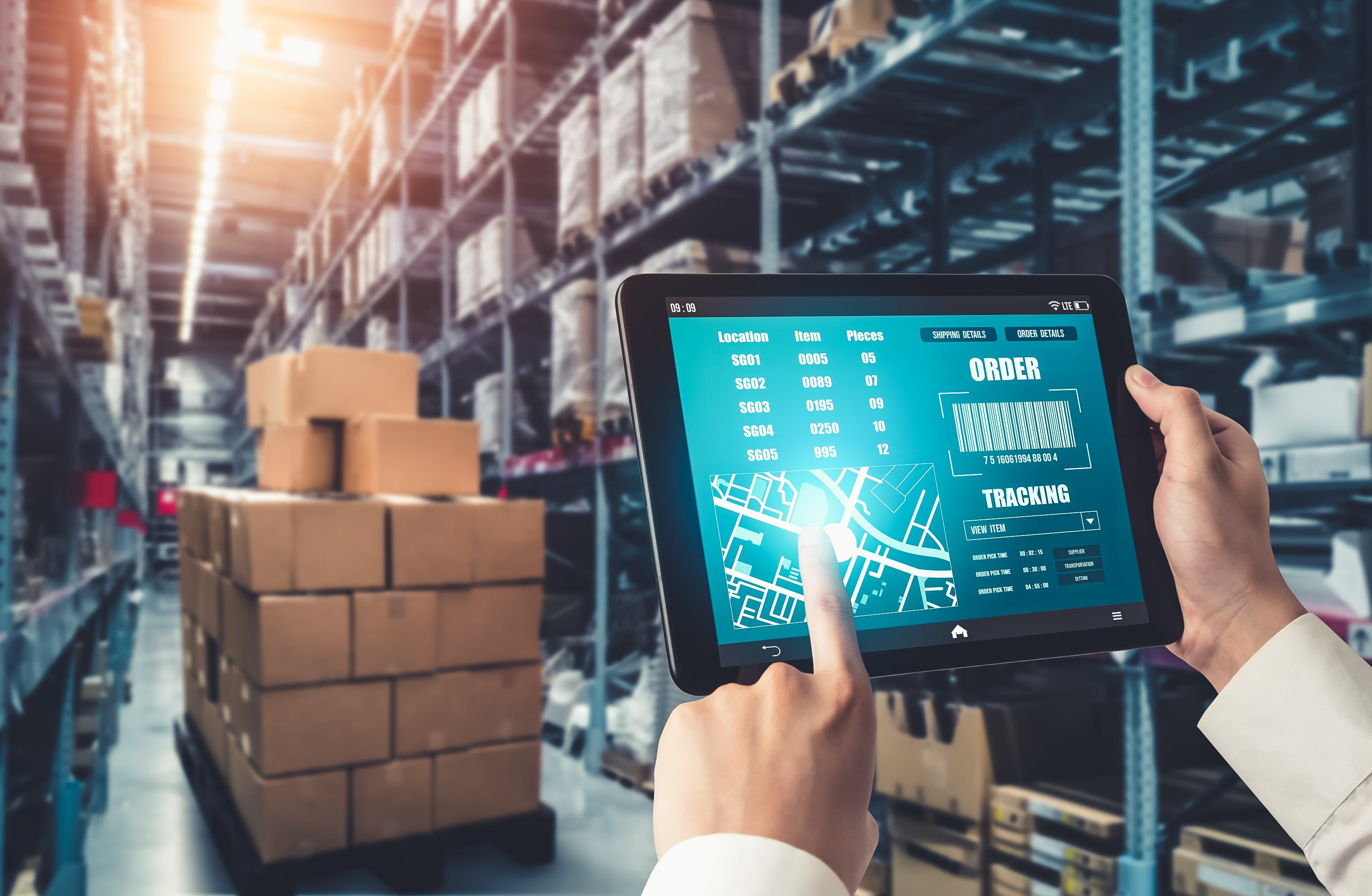
A delayed shipment, missing inventory, or lack of communication can disrupt an entire business operation within hours. In today’s fast-moving market, companies can no longer afford slow and disconnected supply chains.
Customers now expect faster deliveries, real-time order tracking, and accurate product availability. At the same time, businesses are under pressure to reduce costs, manage inventory efficiently, and respond quickly to global disruptions.
This is why supply chain automation and real-time visibility are becoming critical for modern businesses.
According to recent industry reports, over 75% of global businesses are increasing investments in digital supply chain technologies. The global supply chain management market is also expected to exceed $45 billion by 2030 as companies continue adopting automation, AI, IoT, and cloud-based logistics systems.
The reason behind this rapid shift is simple: traditional supply chain methods are no longer enough.
Manual tracking, spreadsheets, delayed reporting, and disconnected systems create inefficiencies that slow down operations and increase costs. Businesses now need smarter systems that provide instant visibility and automated decision-making.
This is where modern supply chain technologies are transforming the future of logistics and operations.
In this blog, we will explore how automation and real-time visibility are reshaping supply chains, the benefits businesses are experiencing, the challenges involved, and what the future of intelligent supply chain management looks like.
Understanding Supply Chain Automation
Supply chain automation refers to the use of technology to automate supply chain processes with minimal manual intervention.
Automation technologies help businesses manage:
- Inventory
- Warehousing
- Transportation
- Procurement
- Order processing
- Delivery operations
These systems reduce repetitive manual tasks and improve operational efficiency.
Instead of relying on paperwork and manual updates, businesses can automate workflows and make faster decisions using real-time data.
What Is Real-Time Supply Chain Visibility?
Real-time visibility means businesses can track and monitor supply chain operations instantly.
Companies can view:
- Inventory levels
- Shipment locations
- Warehouse activities
- Delivery timelines
- Supplier performance
in real time through centralized digital platforms.
This visibility helps businesses identify issues early and respond quickly before problems become serious.
For example:
If a shipment is delayed, managers can immediately adjust schedules or inform customers instead of discovering the issue later.
Why Businesses Are Investing in Supply Chain Automation
Rising Customer Expectations
Modern customers expect:
- Faster shipping
- Accurate delivery estimates
- Real-time tracking
- Better communication
Businesses that fail to meet these expectations risk losing customers to competitors.
Automation helps companies improve delivery speed and customer satisfaction.
Reducing Human Errors
Manual supply chain operations often lead to:
- Inventory mistakes
- Incorrect shipments
- Delayed updates
- Data entry errors
Automation reduces these problems by minimizing human involvement in repetitive tasks.
This improves accuracy across the entire supply chain.
Faster Decision-Making
Traditional reporting systems may take hours or days to provide operational updates.
Real-time visibility allows businesses to:
- Detect issues immediately
- Respond faster
- Improve operational planning
- Reduce delays
Faster access to data leads to smarter and more efficient decisions.
Improving Inventory Management
Inventory management is one of the biggest challenges in supply chain operations.
Too much inventory increases storage costs, while insufficient inventory causes stock shortages.
Automated inventory systems help businesses:
- Track stock levels instantly
- Predict inventory demand
- Reduce overstocking
- Avoid stockouts
This creates a better balance between supply and demand.
The Role of IoT in Supply Chain Visibility
The Internet of Things (IoT) is playing a major role in modern supply chain systems.
IoT devices collect and share real-time data through connected sensors and tracking systems.
Examples of IoT in Supply Chains
- GPS tracking for shipments
- Temperature monitoring for sensitive products
- Smart warehouse sensors
- Vehicle tracking systems
- Connected inventory devices
IoT technology helps businesses monitor operations continuously and improve supply chain transparency.
Artificial Intelligence Is Making Supply Chains Smarter
Artificial Intelligence (AI) is transforming how businesses manage logistics and operations.
AI systems can analyze massive amounts of supply chain data and provide valuable insights.
How AI Helps Supply Chains
Demand Forecasting
AI predicts future product demand more accurately.
Route Optimization
AI recommends faster and more efficient delivery routes.
Risk Detection
AI identifies supply chain disruptions before they become major problems.
Warehouse Automation
AI-powered robots help manage warehouse operations efficiently.
AI allows businesses to move from reactive operations to proactive decision-making.
Automation in Warehousing and Logistics
Warehouses are becoming increasingly automated.
Modern warehouses now use:
- Robotics
- Automated sorting systems
- Barcode scanning
- Smart shelving
- Autonomous vehicles
These technologies improve:
- Speed
- Accuracy
- Inventory handling
- Order fulfillment
Automation also reduces operational costs and improves worker productivity.
Real-Time Shipment Tracking
One of the biggest advantages of modern supply chains is shipment visibility.
Businesses and customers can track deliveries in real time using GPS-enabled systems.
Benefits of Shipment Tracking
- Better delivery transparency
- Improved customer communication
- Reduced shipment delays
- Faster issue resolution
- Increased customer trust
Real-time tracking is now becoming a standard expectation in logistics and eCommerce industries.
Better Supplier and Vendor Management
Supply chains involve multiple suppliers, distributors, and logistics partners.
Poor communication between these parties can create delays and inefficiencies.
Automation platforms improve collaboration by providing:
- Shared data access
- Real-time updates
- Automated workflows
- Performance monitoring
This helps businesses build stronger and more reliable supplier relationships.
Reducing Operational Costs
Supply chain inefficiencies can become extremely expensive.
Automation helps businesses reduce costs through:
- Lower labor requirements
- Better route planning
- Reduced inventory waste
- Faster order processing
- Fewer operational errors
Improved efficiency directly impacts profitability.
Challenges Businesses Face During Digital Transformation
Although automation offers many benefits, businesses also face challenges while modernizing supply chains.
High Initial Investment
Advanced technologies may require significant upfront costs.
Businesses must invest in:
- Software platforms
- IoT devices
- Infrastructure
- Employee training
System Integration Issues
Older systems may not integrate smoothly with modern technologies.
Businesses often struggle to connect legacy systems with new automation platforms.
Cybersecurity Risks
Connected supply chain systems generate and store large amounts of sensitive operational data.
Strong cybersecurity measures are necessary to protect systems from cyber threats.
Employee Adaptation
Employees may require training to work effectively with new automated systems and digital workflows.
The Growing Importance of Supply Chain Resilience
Recent global disruptions showed how vulnerable traditional supply chains can be.
Businesses experienced:
- Shipment delays
- Inventory shortages
- Supplier disruptions
- Increased transportation costs
Real-time visibility and automation help businesses build more resilient supply chains.
Companies can identify risks faster and respond more effectively during disruptions.
Future Trends in Supply Chain Technology
The future of supply chains will become even more intelligent and connected.
Several technologies are expected to shape the next generation of supply chain operations.
Predictive Analytics
Businesses will use AI to predict disruptions and market changes before they happen.
Autonomous Delivery Systems
Self-driving vehicles and drones may transform deliveries
Blockchain Technology
Blockchain may improve transparency and security in supply chain transactions.
Smart Warehouses
Fully automated warehouses may become more common globally.
5G Connectivity
Faster internet speeds will improve real-time communication between devices and systems.
These innovations will continue driving supply chain modernization worldwide.
Important Figures and Statistics
Here are some key numbers showing the rise of supply chain automation technologies:
| Statistic | Figure |
|---|---|
| Businesses investing in digital supply chains globally | 75%+ |
| Expected supply chain management market by 2030 | $45+ billion |
| Reduction in operational costs through automation | Up to 30% |
| Increase in delivery efficiency using route optimization | Up to 25% |
| Businesses adopting AI-driven logistics systems | 65%+ |
These figures show how quickly businesses are embracing intelligent supply chain technologies.
Conclusion
Supply chains are becoming more complex, and businesses can no longer rely on outdated manual systems to manage operations efficiently. Customers expect faster deliveries, accurate tracking, and seamless communication, while businesses need better visibility, smarter planning, and stronger operational control.
Automation and real-time visibility are helping companies transform supply chain operations by improving efficiency, reducing costs, minimizing delays, and enabling faster decision-making. Technologies like AI, IoT, cloud platforms, and warehouse automation are creating more connected and intelligent logistics ecosystems.
Although challenges like cybersecurity, integration issues, and implementation costs still exist, the long-term benefits of digital transformation are far greater. Businesses that invest in modern supply chain technologies today will be better prepared to handle future disruptions, customer expectations, and operational growth.
As industries continue modernizing logistics and operations, advanced supply chain management software is becoming essential for building smarter, more resilient, and future-ready supply chain ecosystems.