Digital Catalog Software: Make interactive digital catalogs that are beyond PDFs
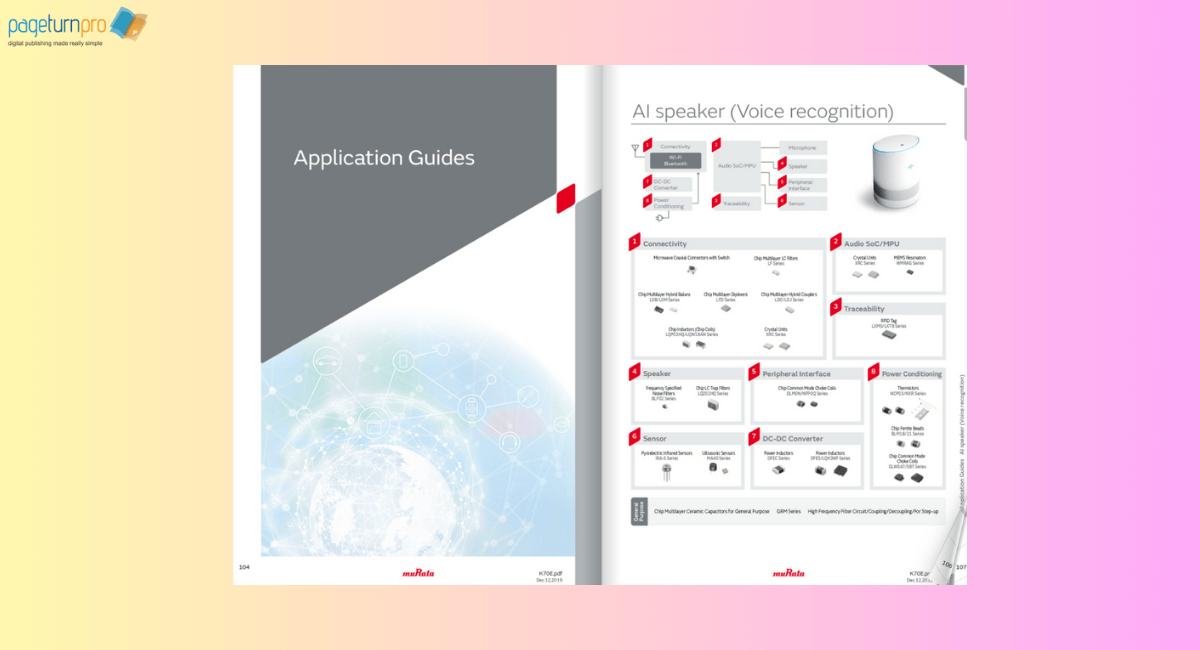
Static PDF catalogs are becoming outdated. Even though they worked well for businesses for many decades, customers now want interactive, engaging experiences that far exceed browsing digital pages. Contemporary digital catalog software takes old-fashioned product showcases and turns them into dynamic, multimedia-packed experiences that foster engagement and increase sales.
The transition from print to online catalogs appeared revolutionary mere years ago. Yet, turning a print catalog into PDF format does not capture the huge potential that exists through digital means. Digital catalogs that are interactive can have clickable product links, inbuilt videos, dynamic prices that update in real time, and personalized suggestions, capabilities impossible through static documents.
What Sets Digital Catalogs Apart from PDFs?
Classic PDF catalogs operate similarly to their print counterparts i.e. fixed pages that customers browse sequentially. Catalog software, on the other hand, produces living documents that respond and evolve based on user interaction.
Interactive features revolutionize the browsing process. Customers are able to click on products to see detailed specifications, see demonstration videos, or place a product in their basket without ever leaving the catalog. This integration of browsing and buying decreases customer effort drastically.
Real-time updates constitute another significant benefit. With changes in product availability or prices, digital catalog software is automatically updated on all mediums. PDF catalogs have to be manually recreated and redistributed, usually ending up with the customer having stale information.
Search capabilities in electronic catalogs enable customers to rapidly find particular products or categories. Advanced filtering makes it possible for users to limit options on the basis of price range, features, or other specifications, features that just aren’t present in static PDFs.
Key Features of Digital Catalog Software
Interactive Product Showcases
Contemporary digital catalog platforms also excel at delivering rich product experiences. 360-degree product views, high-resolution image galleries, and zoom functions provide customers with extensive visual details. Interactive hotspots can point out particular features or offer additional information regarding product advantages.
Video integration extends product presentation even further. Demonstration videos, customer endorsements, or behind-the-scenes footage may be directly inserted into catalog pages, providing rich multimedia content that static presentations cannot deliver.
Personalization and Analytics
Smart digital catalog software monitors user behavior and interests to provide personalized experiences. The software can suggest products based on browsing history, emphasize products corresponding to certain customer segments, or personalize content based on location.
Analytics features offer meaningful insights into customer interaction patterns. Companies can monitor which products are most in demand, determine pages on which customers tend to spend the most time, and see how customers navigate through the catalog.
Multi-Platform Compatibility
Contemporary digital catalogs operate smoothly on a variety of platforms and devices. No matter whether customers view the catalog on desktops, tablets, or phones, customers always have the same consistent experience, tailored for each screen size.
Integration with current business systems simplifies operations. Digital catalog software can integrate with inventory management systems, customer relationship management platforms, and e-commerce solutions so that real-time information and direct purchasing are available.
Benefits for Businesses and Customers
Improved Customer Experience
Interactive digital catalogs give customers what they need to make intelligent purchasing choices. Rather than navigating through pages or documents, customers are able to find the relevant products easily and view comprehensive specifications, prices, and availability details.
The convenience of buying directly from the catalog reduces extra steps in the purchasing process. Consumers are able to add products to cart, compare items side-by-side, or save favorites for later reference, all within the catalog interface.
Cost-Effective Marketing
Electronic catalogs spare the expense of printing and distribution for physical marketing materials. Changes and updates can be made in an instant without reprinting thousands of copies or dealing with complicated distribution channels.
The longer shelf life of digital catalogs gives more return on investment. While printed catalogs have a short life, the digital ones can be updated and kept fresh for a long time.
Enhanced Sales Performance
Interactive content takes customers through the sales funnel better than static presentations. Call-to-action buttons, direct links to product pages, and built-in purchasing capabilities minimize the steps between interest and sale.
Lead generation functionality assists companies in identifying prospective customers and collecting useful contact information. Electronic catalogs may contain forms, surveys, or subscription requests that collect prospect information for future marketing purposes.
Measuring Success and ROI
Digital catalog software offers extensive reporting for measuring success and return on investment. Performance metrics may include views of the catalog, browsing time, click-throughs on product links, and catalog-to-purchase conversion ratios.
Comparative benchmarking to past PDF or print catalog performance indicates the effect of interactive elements. Companies tend to notice increases in customer interaction, lead generation, and conversion of sales following the adoption of digital catalog solutions.
Customer feedback gives qualitative feedback on the success of digital catalog experience. Surveys, reviews, and direct feedback are utilized to find areas for enhancement and inform future improvements.
Conclusion
Digital catalog software is a big step up from static PDF presentations, providing companies with rich tools to interact with customers and generate sales. The interactive capabilities, real-time information updates, and analytical capabilities open up the potential for enhanced customer experiences and enhanced business results.
Digital catalogs work if they are planned carefully, if the right platform is chosen, and if they are continually optimized based on performance metrics and customer feedback. Companies that adopt these tools set themselves up to address changing customer demands while seeing tangible improvements in marketing success and sales performance.
The shift from static to interactive catalogs is only the start of product presentation going digital. With technology evolving further, early protagonists of end-to-end digital catalog solutions will have competitive edges in their target markets.
A fine software option is PageTurnPro digital catalog software. You can try it for free for 15 days.