Too Old-School? How to Give Classic Games a Second Life Through Porting
=
The gaming industry has always been an innovator, but even still, there’s something about retro games that clicks with players. Games from The Legend of Zelda, Super Mario Bros., and Doom eras have already played their essential role in the game industry. However, they inspired countless developers, so eventually, older games look and feel dated because their hardware has evolved.
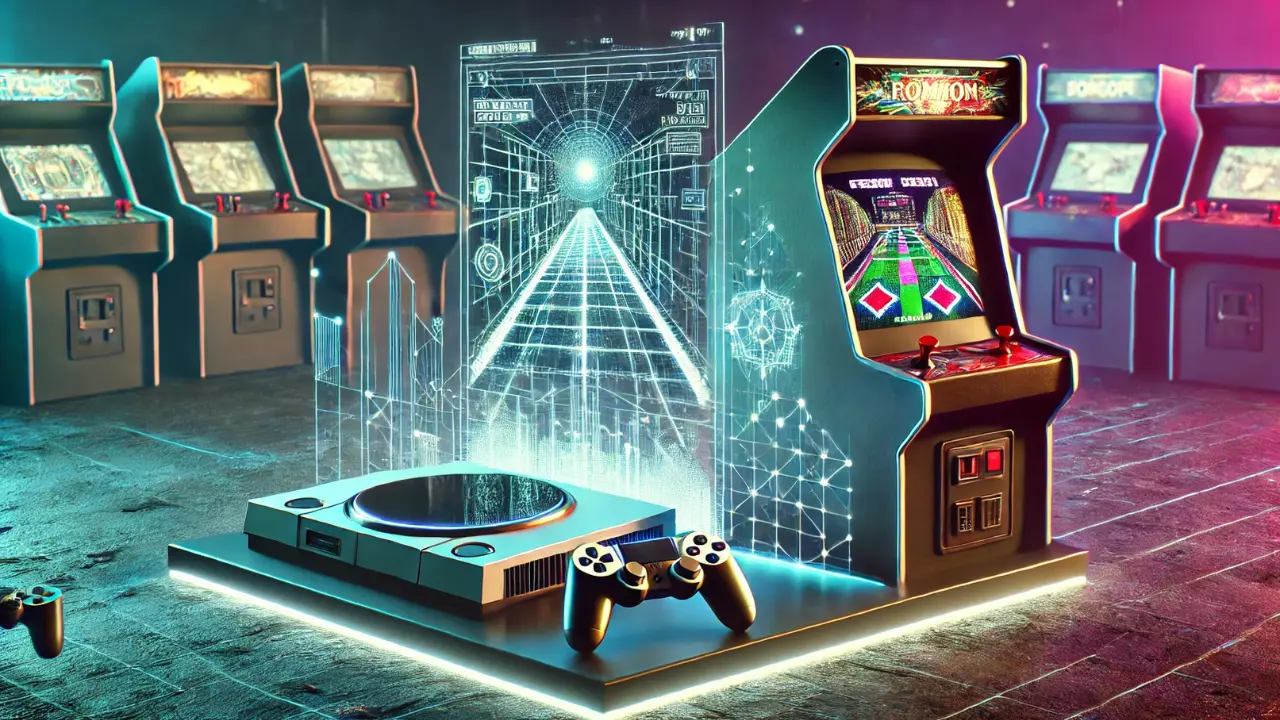
Game porting services allow for the continuation of these great games. Through the transference of relics onto contemporary platforms, the original spirit of game-playing recreates itself in a new audience. However, porting is not a transfer of some code from one system to another; it is a detailed process that requires deep technical knowledge and creativity in reading the spirit of work on both the original and target systems.
Why Port Classic Games?
Port classic games to modern platforms; you will get numerous critical advantages.
- Preserving Gaming History – Classic games are cultural artifacts. They are “texts,” and texts should be available. Porting is one way the text, in this case, a game, can be available and not “lost.”
- Expanding the Player Base—A vast segment of the population has computing resources that make it impossible to consume older content. Porting permits new audiences who have previously missed an opportunity for such discovery to find and enjoy the already published works.
- Commercial Viability – Nostalgia sells in games. Successful ports of classic games can thus be a source of significant revenue through re-releases and remasters.
- Enhancing Gameplay Experience – Several quality-of-life improvements may be added with ports while remaining faithful to the original vision of what gameplay should be.
Challenges of Game Porting
Porting classic games is not without its challenges. Developers must overcome several obstacles to ensure a successful transition:
1. Technical Limitations
Old games were developed for hardware architectures that were much different from those on which today’s consoles or PCs run. To make them work on modern platforms:
- The old code needs to be decompiled.
- A new physics engine needs to represent the same old gameplay rules.
- Graphics and audio assets must be refreshed to comply with modern standards.
2. Maintaining Authenticity
The biggest worry when someone ports a classic game is preserving the feel and nostalgia that bore the game in the first place. Even minor changes like the frame rate or controls can change the experience. In this light, developers must find the golden mean between modernization and faithfulness in the original title.
3. Legal and Licensing Issues
Securing the rights to older titles can be complex, primarily if the original publisher no longer exists. Developers may also need to renegotiate licensing agreements for music, voice acting, and other assets.
Best Practices for Porting Classic Games
To successfully port a classic game while maintaining its integrity, developers should follow these best practices:
1. Conduct a Thorough Technical Assessment
Before beginning the porting process, developers must analyze the original game’s architecture, identifying potential compatibility issues and necessary modifications.
2. Update Assets While Retaining the Original Style
Even though updating the graphics and audio can bring benefits, the artistic direction of the original game has to be kept. Some of the most flourishing ports applied upscaled textures and remastered soundtracks while preserving the core aesthetic of the game.
3. Optimize Performance for New Hardware
Classic games were made for entirely different performance standards. Frame rates, loading times, and responsiveness need to be ensured so that the game is buttery smooth on modern devices.
4. Improve UI and UX for Modern Players
User interfaces designed for older hardware may feel clunky today. Adapting UI elements and controls for modern input devices, such as touch screens or gamepads, enhances accessibility.
5. Test Extensively Across Platforms
Rigorous quality assurance is essential to ensure the game functions correctly across various systems. Developers should test for bugs, graphical glitches, and compatibility issues.
Outsource Companies’ Role in Game Porting
One company that has made significant contributions to game porting is N-iX Games, a leading IT services provider specializing in game development and porting solutions. With extensive experience adapting games for different platforms, N-iX Games has helped numerous developers bring classic titles to new audiences.
Approach to Game Porting:
- Technical Excellence – N-iX Games provides comprehensive technical direction, ensuring smooth adaptation of games to modern hardware.
- Full-Cycle Development – From initial assessment to final testing, N-iX Games handles all aspects of game porting.
- Quality Assurance & Optimization – Ensuring the ported game runs seamlessly while preserving its original experience.
By leveraging its expertise, this company helps game studios modernize classic titles without losing their nostalgic appeal. Its commitment to quality makes it a trusted partner for developers looking to revitalize older games.
The Future of Classic Game Porting
As technology advances, the demand for porting classic games will continue to grow. Several exciting trends are shaping the future of game porting:
1. Cloud Gaming Integration
Cloud platforms like NVIDIA GeForce Now, Xbox Cloud Gaming, and PlayStation Now offer new ways to experience classic games without needing high-end hardware. Cloud-based ports could allow players to stream classic games on any device, increasing accessibility.
2. AI-Driven Remastering
Artificial intelligence is used to upscale textures, enhance animations, and improve audio quality. AI-powered remastering tools can bring older games to modern standards without requiring extensive manual rework.
3. Virtual Reality (VR) Adaptations
Some classic games are being reimagined in VR, providing immersive experiences that were not possible when the games were first released.
4. Community-Driven Modding and Preservation
Many classic games have dedicated modding communities that enhance and update them for modern platforms. Developers can collaborate with these communities to create official ports incorporating fan-made improvements.
Conclusion
Porting classic games is not just a technical challenge. Think of it as something that keeps the history of gaming alive—that is, it introduces titles that people feel nostalgic about to new generations and extends the commercial life of core franchises that define iconic IPs.
Even though there can be some challenges in that work, following best practices and taking advantage of the expertise of N-iX Games will result in the classic games of yesteryears becoming relevant in the current gaming landscape. Since gaming technology is progressing upward, many more doors will open for porting and resurrecting classic games. Developers will be able to keep the legendary titles inspiring and entertaining people for years to come by following the trends.