Ayurvedic Courses in Canada: Everything You Need to Know Before Enrolling
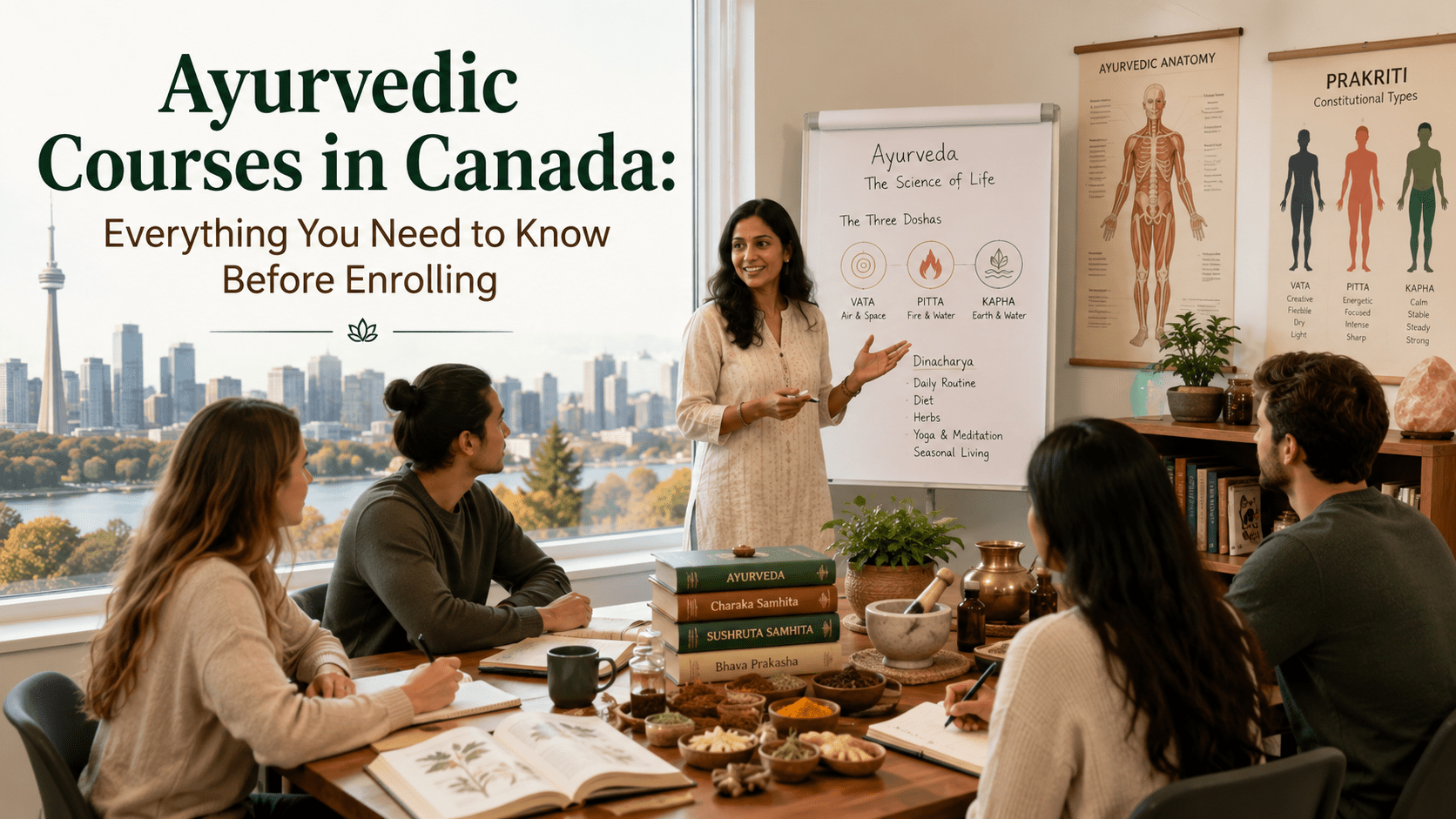
Interest in natural and holistic health has grown steadily across Canada over the past decade. More Canadians are seeking approaches to wellness that address the whole person, not just isolated symptoms. Ayurveda, one of the world’s oldest systems of medicine, has moved from niche curiosity to a respected area of professional study, with a growing number of training programs now available from coast to coast.
Whether you are a health professional looking to expand your practice, a yoga teacher wanting deeper grounding in traditional Indian medicine, or someone simply committed to personal wellness, Ayurvedic education offers genuine depth. This guide covers everything you need to know before enrolling in an Ayurvedic course in Canada, from what programs exist to what career paths they open.
What Is Ayurveda?
Ayurveda is a traditional system of medicine that originated in India more than 3,000 years ago. The word itself comes from Sanskrit: “ayur” meaning life and “veda” meaning knowledge or science. It is built on the principle that health is a dynamic balance between body, mind, and spirit, and that each person has a unique constitutional type, known as a dosha.
Unlike symptom-focused approaches, Ayurveda uses diet, herbal medicine, lifestyle practices, detoxification therapies, and mental wellness tools to restore and maintain balance. In India, Ayurveda is a formally regulated medical system with its own government-recognized degree programs. In Canada, it is practiced as a complementary and natural health discipline.
Why Study Ayurveda in Canada?
Canada has one of the most multicultural populations in the world, and demand for culturally inclusive and integrative healthcare is growing. Several provinces have seen meaningful uptake in natural health practices, and Ayurveda fits well within the broader integrative medicine landscape alongside naturopathy, Traditional Chinese Medicine, and functional nutrition.
Studying Ayurveda in Canada also offers practical advantages. Programs are delivered in English, structured around Canadian schedules and lifestyles, and increasingly designed to bridge traditional knowledge with Western health science. Students do not need to travel abroad to receive quality Ayurvedic training.
Types of Ayurvedic Courses Available in Canada
Ayurvedic education in Canada is offered across several levels and formats. Understanding the differences helps you choose the right entry point for your goals.
Certificate and Short Courses
These programs typically run from a few days to a few months and cover foundational Ayurvedic concepts such as the doshas, daily routines, food as medicine, and basic herbal knowledge. They are ideal for personal enrichment or as a first step toward professional training.
Diploma Programs
Diploma-level programs offer more comprehensive training, often spanning one to two years. They cover Ayurvedic anatomy, pathology, herbal pharmacology, clinical assessment, and therapeutic protocols. Graduates are typically equipped to work as Ayurvedic health counselors or consultants.
Designation and Practitioner Programs
These are the most advanced programs available in Canada and lead to recognized designations such as Ayurvedic Health Practitioner (AHP) or Ayurvedic Practitioner. They combine extensive theoretical study with supervised clinical practice and are appropriate for those seeking to build a professional Ayurvedic practice.
Workshops and Specialized Courses
Standalone workshops on specific topics such as pulse reading (Nadi Vigyan), Panchakarma therapies, Ayurvedic nutrition, or women’s health are available from many institutes. These are valuable for continuing education or for deepening knowledge in a specific area.
Core Subjects Covered in Ayurvedic Programs
While content varies by level and school, quality Ayurvedic programs in Canada typically include the following subject areas:
- Ayurvedic philosophy and foundational principles
- The three doshas: Vata, Pitta, and Kapha
- Prakriti (constitutional analysis) and Vikriti (imbalance assessment)
- Ayurvedic anatomy and physiology (Sharir Vigyan)
- Herbal medicine and plant pharmacology
- Ayurvedic nutrition and seasonal eating
- Panchakarma and purification therapies
- Pulse diagnosis (Nadi Pariksha)
- Yoga, meditation, and lifestyle medicine
- Clinical assessment and client consultation
- Western anatomy, nutrition, and health science (in integrative programs)
Who Can Enroll?
Ayurvedic courses in Canada are open to a wide range of students. You do not need a medical background to begin foundational or certificate-level training. Most programs welcome:
- Yoga teachers and studio owners seeking traditional health knowledge
- Naturopathic doctors and other regulated health professionals looking to expand their scope
- Massage therapists, nutritionists, and wellness coaches
- Nurses, midwives, and allied health professionals
- Individuals pursuing personal health transformation
- Entrepreneurs building wellness businesses
Advanced practitioner programs may require prior foundational study or relevant health credentials. Always confirm prerequisites with your chosen school before applying.
Online, In-Person, and Hybrid Learning Options
One of the most significant shifts in Ayurvedic education over the past few years is the growth of virtual and hybrid delivery. This has made programs accessible to students in provinces outside major urban centers where in-person classes may not be available.
In-Person Study
Classroom learning offers hands-on practice, direct mentorship, and the benefit of studying alongside peers. Clinical skills such as pulse reading and therapeutic assessments are best developed in person.
Online Programs
Virtual programs offer flexibility for working professionals and for students based outside of cities with established Ayurvedic schools. They are generally delivered through live-streamed classes, recorded lectures, and interactive assignments.
Hybrid Formats
Many schools now offer a combination of online coursework and in-person intensives. This model balances convenience with the practical training that Ayurvedic study genuinely requires.
How to Choose the Right Ayurvedic School in Canada
Not all Ayurvedic programs are equal in depth, rigor, or practical preparation. Before enrolling, consider the following:
Faculty Credentials and Experience
Look for instructors with formal Ayurvedic training, ideally from recognized institutions in India or from established Canadian programs, combined with years of clinical practice. Faculty who actively see clients bring real-world insight into the classroom.
Curriculum Depth
Review the program outline carefully. Strong programs integrate classical Ayurvedic texts with practical application. Be cautious of programs that focus heavily on marketable wellness trends without grounding in traditional principles.
Accreditation and Professional Recognition
Ask whether the program is recognized by national or provincial Ayurvedic associations and whether graduates are eligible for professional membership. In Canada, the National Ayurvedic Medical Association (NAMA) sets standards that many institutions align with.
Practical Training Hours
Ayurveda is a clinical discipline. A credible program will include supervised practice, case studies, and client consultation hours, not just theory.
Community and Alumni Network
A strong alumni community signals that graduates remain connected and continue practicing. It also provides a professional network for new graduates entering the field.
Career Paths After Completing an Ayurvedic Course
Ayurvedic education opens diverse professional pathways, depending on the level of training completed.
- Ayurvedic Health Counselor: Providing lifestyle, dietary, and wellness guidance to individuals based on their constitution and current imbalances
- Ayurvedic Practitioner or Consultant: Conducting formal assessments and developing individualized therapeutic plans
- Panchakarma Therapist: Specializing in Ayurvedic detoxification and rejuvenation treatments
- Corporate Wellness Facilitator: Delivering Ayurveda-based wellness programs in workplace settings
- Yoga and Ayurveda Educator: Teaching in studios, retreat centers, or online platforms
- Wellness Entrepreneur: Building a private practice, product line, or retreat offering rooted in Ayurvedic principles
- Integrative Health Collaborator: Working alongside naturopathic doctors, functional medicine practitioners, and other allied health providers
The wellness sector in Canada continues to expand, and practitioners with formal training in traditional health systems are well positioned within it.
What to Expect During Your Studies
Ayurvedic study requires genuine commitment. Programs combine reading classical texts, attending lectures, completing written assignments, and developing practical skills. Here is what most students encounter:
- Weekly lectures and reading loads that build on each other progressively
- Practical exercises such as self-assessment, constitution analysis, and food journaling
- Supervised client consultations in later program stages
- A community of fellow students who often become long-term professional peers
- Personal transformation as the material naturally applies to your own health and lifestyle
Students often describe Ayurvedic education as one of the most personally meaningful things they have undertaken, precisely because the philosophy encourages deep self-inquiry alongside academic learning.
Frequently Asked Questions
Is Ayurveda recognized in Canada?
Ayurveda is not a federally regulated health profession in Canada, though some provinces are in earlier stages of exploring professional regulation. Practitioners typically operate under natural health or wellness frameworks. Many Ayurvedic practitioners in Canada hold membership with professional associations such as the National Ayurvedic Medical Association (NAMA) or the Ayurvedic Practitioners Association of Canada (APAC).
How long does it take to complete an Ayurvedic program?
Program length varies widely. Short certificate courses can be completed in a weekend or over a few weeks. Diploma programs typically take one to two years of part-time study. Full practitioner designation programs may span two to three years, depending on the school and the level of clinical training involved.
Can I practice Ayurveda professionally after completing a course?
Completion of a foundational or short certificate course provides personal knowledge and some wellness counseling capability, but is generally not sufficient for professional clinical practice. Diploma and practitioner programs provide the training depth required to work with clients professionally. Always verify program outcomes and professional recognition before enrolling with the intent to practice.
Do I need to travel to India to study Ayurveda properly?
No. While immersive study in India offers a unique cultural and clinical experience, several established Canadian institutions offer rigorous training programs that meet international standards. Some Canadian programs also include optional India study tours or intensives for students who wish to deepen their experience.
How much do Ayurvedic courses in Canada cost?
Costs vary by program level and institution. Short workshops may range from a few hundred dollars. Comprehensive diploma or practitioner programs can range from several thousand to over ten thousand dollars for the full course of study. Many schools offer payment plans, and some programs may be eligible for wellness industry professional development funding.
A Note on Choosing the Right School
If you are based in Canada and looking for an established institution with a long track record, the Centre for Ayurveda and Indian Systems of Healing (CAISH) has been training students since 2002, making it Canada’s oldest Ayurvedic institute. Based in Toronto, CAISH offers programs at multiple levels, from foundational short courses to full practitioner designations, with both in-person and virtual delivery options.
The CAISH curriculum integrates all Indian medicine systems, including Ayurveda, Yoga, and Indian Naturopathy, combined with Western nutrition and healing arts. Faculty bring decades of clinical and academic experience, and the school has cultivated a strong alumni community of practitioners working across Canada and internationally.
If you are ready to explore your options, visiting www.caishayurveda.org to review their program catalogue is a practical next step. Their team is available to answer questions and help prospective students identify the right program for their background and goals.
Final Thoughts
Ayurvedic education in Canada has matured considerably. Programs are now available at every level of depth and commitment, and the field is supported by growing professional associations, a widening integrative health sector, and genuine public interest in traditional medicine systems.
The decision to enroll in an Ayurvedic course is worth taking seriously. Research your options, review faculty credentials, confirm program outcomes, and speak to alumni if possible. The right program will not only expand your professional knowledge but will also offer a genuinely transformative personal experience rooted in one of the world’s most sophisticated healing traditions.
also read this article, Best Halal Restaurant Near Heartland Mississauga.