No Scalpel Vasectomy and Age-Related Recovery Differences
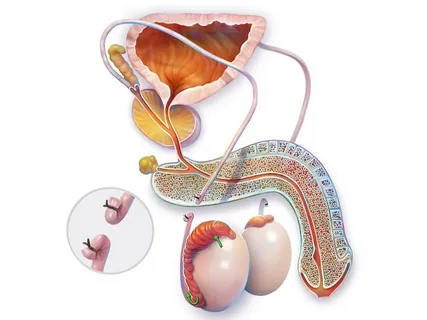
No scalpel vasectomy is widely recognized as a safe, minimally invasive, and highly effective form of permanent male contraception. Compared with conventional vasectomy techniques, the no scalpel approach reduces tissue trauma, bleeding, and postoperative discomfort. Although overall recovery outcomes are excellent across most patient groups, age can influence how individuals respond to the procedure and how quickly they heal afterward.
Research into no scalpel vasectomy and age-related recovery differences has expanded in recent years as clinicians attempt to better understand how healing patterns vary among younger, middle-aged, and older patients. Factors such as tissue elasticity, immune response, circulation, hormonal stability, and lifestyle habits may all contribute to recovery variability after surgery.
Understanding these age-related differences helps physicians improve patient counseling, optimize postoperative care, and establish realistic recovery expectations.
Understanding the No Scalpel Vasectomy Procedure
No scalpel vasectomy differs from traditional vasectomy because it uses a small puncture rather than surgical incisions to access the vas deferens. Specialized instruments separate the tissue gently, minimizing surgical trauma.
The procedure generally involves:
- Local anesthesia
- Small puncture access
- Isolation of the vas deferens
- Vas occlusion through cautery or ligation
- Minimal tissue disruption
Because no sutures are usually required, healing is often faster and complications are less common than with conventional approaches.
Despite these advantages, individual recovery experiences can vary significantly based on age and overall health status.
Why Age Influences Surgical Recovery
Age affects many biological systems involved in tissue repair and inflammation control. As individuals grow older, natural physiological changes may alter the body’s ability to recover from even minimally invasive procedures.
Important age-related recovery factors include:
- Blood circulation efficiency
- Collagen production
- Immune system responsiveness
- Cellular regeneration speed
- Hormonal balance
- Baseline inflammation levels
These variables may influence swelling, bruising, discomfort duration, and overall healing time after no scalpel vasectomy.
Recovery Patterns in Younger Patients
Younger men often demonstrate faster healing after no scalpel vasectomy due to stronger regenerative capacity and more efficient inflammatory control.
Common characteristics of recovery in younger patients include:
- Faster tissue repair
- Reduced postoperative swelling
- Shorter discomfort duration
- Earlier return to physical activity
- Lower risk of prolonged soreness
Younger patients may also resume normal activities more quickly because of better circulation and higher collagen turnover rates.
However, younger age groups sometimes experience increased psychological stress regarding the permanence of sterilization. This emotional factor may affect overall satisfaction even if physical recovery is rapid.
Recovery in Middle-Aged Patients
Middle-aged men represent one of the largest groups undergoing no scalpel vasectomy. Recovery outcomes in this population are generally very favorable.
Most middle-aged patients experience:
- Moderate swelling for a few days
- Mild bruising
- Temporary discomfort during movement
- Stable long-term recovery outcomes
At this stage of life, many patients choose vasectomy after completing family planning goals, which may contribute to greater psychological confidence during recovery.
Middle-aged individuals often balance recovery with professional responsibilities, making minimally invasive techniques particularly valuable because downtime is relatively short.
Recovery Challenges in Older Patients
Older patients usually still recover well after no scalpel vasectomy, but certain physiological factors may slightly prolong healing.
Potential age-related recovery differences include:
- Slower tissue regeneration
- Increased bruising tendency
- Longer inflammatory response duration
- Mildly delayed wound closure
- Greater sensitivity to swelling
These changes are not typically severe, but recovery may progress more gradually compared with younger patients.
Older individuals may also have chronic health conditions such as diabetes, hypertension, or vascular disease, which can influence postoperative healing capacity.
Inflammation and Immune Response Differences
Inflammation plays a major role in surgical recovery. After no scalpel vasectomy, the immune system initiates tissue repair by sending inflammatory cells to the treatment site.
Age-related immune changes may affect:
- Swelling severity
- Pain duration
- Healing speed
- Scar tissue formation
Younger individuals generally exhibit more efficient inflammatory regulation, while older adults may experience prolonged low-grade inflammation during recovery.
Researchers are increasingly studying inflammatory biomarkers to better understand age-related recovery variability after minimally invasive surgeries.
Pain Perception Across Age Groups
Pain experience after no scalpel vasectomy varies among patients, and age may influence both pain perception and recovery behavior.
Younger patients sometimes report:
- Sharper short-term discomfort
- Greater sensitivity during early healing
- Faster pain resolution
Older patients may experience:
- More prolonged soreness
- Reduced tissue flexibility
- Slower return to baseline comfort
However, most postoperative pain remains mild regardless of age, especially when patients follow recovery instructions carefully.
Activity Recovery and Mobility
Physical recovery timelines also differ slightly by age. Younger individuals frequently return to exercise, work, and daily activity sooner because of stronger musculoskeletal recovery capacity.
Age-related differences may involve:
- Recovery after standing for long periods
- Exercise tolerance
- Return to lifting activities
- Walking comfort during healing
Although no scalpel vasectomy generally allows rapid recovery, older patients may benefit from slightly extended rest periods before resuming strenuous activity.
Influence of Chronic Medical Conditions
Age itself is not the only recovery factor. Older patients are more likely to have underlying medical conditions that influence healing outcomes.
Conditions that may affect recovery include:
- Diabetes
- Obesity
- Cardiovascular disease
- Chronic inflammation disorders
- Smoking-related vascular damage
These conditions can slow circulation, impair tissue oxygen delivery, and increase inflammation persistence.
Proper preoperative evaluation helps identify patients who may require modified recovery guidance.
Psychological Recovery Differences
Age can also affect emotional adaptation after no scalpel vasectomy. Psychological recovery often depends on life stage, family planning goals, and relationship stability.
Younger patients may occasionally experience:
- Anxiety about future fertility
- Fear of regret
- Emotional uncertainty
Older patients more commonly report:
- Relief from contraceptive concerns
- Confidence in family completion
- Greater psychological satisfaction
These emotional differences can influence overall perception of recovery success.
Importance of Personalized Recovery Counseling
Because recovery experiences vary by age and health status, individualized counseling is increasingly emphasized in vasectomy care.
Effective counseling may include:
- Realistic recovery timelines
- Activity recommendations by age group
- Swelling management strategies
- Pain control guidance
- Expectations regarding semen clearance
Personalized postoperative instructions help improve patient satisfaction and reduce unnecessary anxiety during healing.
Advances in Recovery Optimization
Modern research continues to explore methods for improving recovery outcomes across all age groups undergoing no scalpel vasectomy.
Emerging areas of study include:
- Anti-inflammatory recovery protocols
- AI-based complication prediction systems
- Enhanced anesthetic techniques
- Tissue healing biomarker monitoring
- Personalized postoperative care algorithms
These innovations may further reduce age-related recovery differences in the future.
Long-Term Outcomes Across Age Groups
Despite some differences in early healing, long-term outcomes remain highly positive for patients of all ages undergoing no scalpel vasectomy.
Research consistently demonstrates:
- High procedural success rates
- Low complication frequencies
- Excellent long-term contraceptive effectiveness
- Strong patient satisfaction outcomes
Age may influence short-term recovery speed, but it rarely affects overall procedural success when surgery is properly performed.
Conclusion
No scalpel vasectomy offers safe and effective permanent contraception with minimal recovery time for men across a wide range of ages. However, age-related physiological differences can influence tissue healing, inflammation, pain perception, and activity recovery after surgery.
Younger patients often recover more rapidly because of stronger regenerative capacity, while older individuals may experience slightly prolonged healing due to slower tissue repair and chronic health factors. Psychological adaptation also varies by age, with older patients frequently reporting greater emotional confidence in their decision.
As personalized medicine continues to evolve, age-specific recovery strategies and predictive care models may further improve outcomes and patient satisfaction following no scalpel vasectomy.
FAQs
1. Does age affect recovery after no scalpel vasectomy?
Yes. Younger patients often heal faster, while older individuals may experience slightly slower tissue repair and prolonged mild soreness due to age-related physiological changes.
2. Can older men safely undergo no scalpel vasectomy?
Yes. No scalpel vasectomy is generally safe for older men, although underlying medical conditions may slightly influence healing and recovery time.
3. How long does recovery usually take after no scalpel vasectomy?
Most patients recover within a few days to two weeks, but complete healing timelines may vary depending on age, activity level, and overall health.