Indoor Window Shades in Jacksonville: Room-by-Room Selection Guide
Not every room in a Jacksonville home has the same window shade requirements. The light management, privacy, and humidity conditions differ between the master bedroom, a home office, and a kitchen. Choosing indoor window shades by room rather than by house simplifies the decision and produces better outcomes.
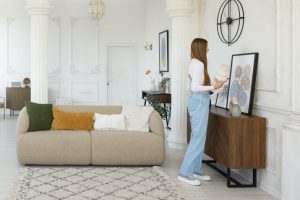
Living Rooms and Common Areas
In Jacksonville, living rooms with southern or western exposure receive intense afternoon sun. Solar shades at 3 to 5 percent openness block glare and UV damage to furniture while keeping the room connected to the outdoors. Sheer roller shades work in rooms where light quality is more important than heat blocking.
Bedrooms
Bedrooms need light blocking for sleep quality. Blackout cellular shades eliminate morning sun intrusion and provide an insulating layer against the heat that transfers through window glass overnight in Florida summers. Motorized blackout shades are increasingly popular in Jacksonville master bedrooms for their ease of use.
Kitchens and Bathrooms
- Choose moisture-resistant materials: polyester roller shades or faux wood blinds only.
- Avoid fabric cellular shades in these rooms; humidity causes mold in the cell structure.
- Solar or light-filtering roller shades are practical above kitchen sinks.
- For bathroom privacy with light, sheer privacy shades in moisture-resistant fabric work well.
Energy Star data indicates that proper window coverings in Florida homes can reduce cooling costs by 7 to 20 percent, depending on window orientation and covering type, making room-specific selection an energy-relevant decision.
Home Office
Screen glare is the priority concern in a Jacksonville home office. A 5 percent openness solar shade on east and west-facing windows reduces screen reflection significantly without making the room feel dark. Adjustable zebra shades, which alternate sheer and opaque bands, allow on-the-fly adjustment during the day.
Key Takeaways
The right indoor window shade in Jacksonville depends on the room’s sun exposure, humidity level, and primary use. Match the shade type to the room’s specific conditions rather than choosing one style for the whole house.