Flatbed Dispatch: How Specialized Logistics Keep Heavy Haul Freight
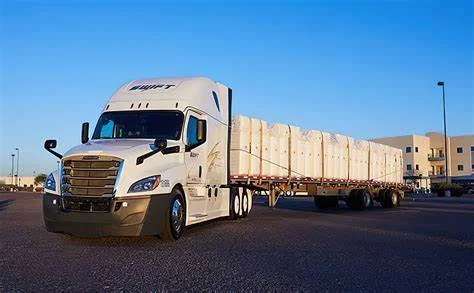
Flatbed dispatch services play a crucial role in the trucking and logistics ecosystem, especially in industries that rely on oversized, heavy, or irregular freight. In the United States, demand for reliable coordination of flatbed loads has increased alongside construction, manufacturing, and energy sector growth. Flatbed dispatch services are essentially the operational backbone that connects shippers, drivers, and freight brokers while ensuring that loads are matched with the right equipment, routes, and compliance requirements.
Unlike standard freight movement, flatbed hauling requires careful planning due to load exposure, weight distribution, and securement standards. This makes dispatch coordination more than just scheduling. It becomes a structured process that balances efficiency, safety, and regulatory adherence.
What Flatbed Dispatch Services Actually Cover in Modern Trucking
At its core, flatbed dispatch services involve organizing and managing freight that cannot be transported in enclosed trailers. These loads often include steel beams, lumber, construction machinery, oilfield equipment, and industrial materials.
A flatbed dispatch service typically handles multiple layers of coordination. This includes identifying available loads, negotiating rates with brokers or shippers, planning routes that accommodate oversized freight, and ensuring drivers meet Department of Transportation (DOT) requirements. Unlike general freight dispatch, flatbed operations must also consider tarping needs, load securement time, and weather exposure risks.
For example, a construction company moving steel beams from Texas to Illinois may require a dispatcher to ensure the load is assigned to a carrier with proper chains, binders, and tarping equipment. A flatbed dispatcher would also evaluate route restrictions, such as bridge height clearances or state-specific permit requirements for oversize loads.
This level of detail is what separates flatbed logistics from standard trucking coordination.
The Role of a Flatbed Dispatcher in Freight Coordination
A flatbed dispatcher acts as the central communication point between drivers, brokers, and shippers. Their responsibility is not limited to assigning loads but extends into operational decision-making that directly affects efficiency and safety.
One of their primary tasks is load matching. Not every flatbed truck is suitable for every shipment. Weight capacity, trailer type (standard flatbed, step deck, or double drop), and equipment availability all influence decisions. Dispatchers also evaluate driver experience, especially when handling specialized freight like heavy machinery or oversized industrial parts.
Another important aspect is time management. Flatbed freight often requires additional loading and unloading time due to securement procedures. A skilled dispatcher factors this into scheduling to avoid detention issues or delivery delays.
In real-world operations, a dispatcher might coordinate a last-minute reroute if weather conditions in the Midwest threaten tarping safety. These adjustments require quick communication and logistical awareness, highlighting why experienced dispatchers are essential in this sector.
Operational Challenges in Flatbed Logistics Across the USA
The United States has one of the most complex freight networks in the world, and flatbed trucking adds additional layers of difficulty. A flatbed dispatch service must constantly adapt to regional regulations, seasonal demand fluctuations, and infrastructure limitations.
One of the biggest challenges is regulatory compliance. Oversized or overweight loads often require permits that vary from state to state. Dispatchers need to ensure that all documentation is in place before a truck enters restricted zones. Missing or incorrect permits can lead to delays, fines, or forced route changes.
Weather is another major factor. Because flatbed loads are exposed, rain, wind, and snow can significantly impact transport safety. Dispatchers often need to reschedule or adjust routes to avoid high-risk weather corridors.
Additionally, freight market volatility affects load availability and pricing. During construction booms, for example, demand for flatbed capacity increases sharply, making it harder for dispatcher services to secure stable rates for carriers.
A practical example is the transportation of wind turbine components in states like Iowa or Texas. These loads require not only oversized permits but also escort coordination and carefully planned travel windows. Without efficient dispatcher services, such operations would face frequent delays.
Technology and Tools Supporting Dispatcher Services Today
Modern dispatcher services rely heavily on digital tools to manage efficiency and accuracy. Load boards, GPS tracking systems, and transportation management software (TMS) are now standard in the industry.
Load boards help dispatchers identify available freight in real time, allowing them to quickly match trucks with suitable shipments. GPS tracking provides visibility into driver location and estimated delivery times, which improves communication with brokers and shippers.
Transportation management systems further streamline operations by centralizing documents, invoices, and route planning. This reduces manual coordination and minimizes errors in scheduling.
In flatbed logistics, these tools are especially valuable because of the added complexity of load securement and delivery timing. For instance, if a driver is delayed due to weather while hauling steel coils, the dispatcher can immediately update stakeholders and adjust downstream scheduling.
Even smaller logistics operations benefit from these systems, as they reduce idle time and improve asset utilization. In competitive freight markets, this operational efficiency often determines profitability.
Industry Use Cases for Flatbed Dispatch Services
Flatbed transportation is widely used across several key industries in the USA, each with unique logistics demands.
Construction is one of the largest sectors relying on flatbed freight. Materials like lumber, concrete barriers, and steel frameworks require open-deck transport due to their size and loading requirements. A flatbed dispatch service ensures these materials reach job sites in sequence, supporting continuous project timelines.
The energy sector also depends heavily on flatbed logistics. Oilfield equipment, drilling components, and pipeline materials are frequently transported across long distances. These shipments often require specialized routing and coordination due to remote delivery locations.
Manufacturing and agriculture are other major users. Heavy machinery, industrial parts, and farming equipment all rely on flatbed transport due to their dimensions and weight. In many cases, these loads cannot be broken down into smaller shipments, making careful dispatch planning essential.
In one typical scenario, a manufacturer shipping large press machinery from Ohio to California may require multiple dispatch adjustments depending on route restrictions, delivery windows, and driver availability. This level of coordination demonstrates how dispatcher services directly support industrial supply chains.
EverMark Dispatchers, for example, operates within this broader ecosystem by supporting carrier coordination and load planning in the U.S. freight market, reflecting how dispatch operations are structured across the industry.
Evolving Expectations in Flatbed Freight Management
The expectations placed on dispatcher services have evolved significantly over the past decade. Carriers and brokers now expect faster communication, higher transparency, and more precise scheduling.
A key shift is the demand for real-time updates. Drivers and clients increasingly rely on instant communication regarding load status, delays, and delivery confirmations. This has made responsiveness a core requirement for any flatbed dispatch service.
Another shift is the emphasis on compliance and documentation accuracy. With stricter enforcement of transportation regulations, dispatchers must ensure that all paperwork, including permits and bills of lading, is accurate and accessible.
Sustainability is also becoming a consideration. While still emerging in the trucking sector, route optimization and fuel efficiency planning are gradually being integrated into dispatch strategies.
Overall, the role of dispatcher services is becoming more analytical and data-driven rather than purely administrative.
Conclusion
Flatbed logistics remains one of the most demanding areas of freight transportation due to its reliance on specialized equipment, regulatory coordination, and careful planning. Flatbed dispatch services provide the structured coordination needed to manage these complexities efficiently.
From load matching and route planning to compliance management and real-time communication, dispatcher services play a central role in keeping freight moving across the United States. As industries such as construction, manufacturing, and energy continue to expand, the need for organized and reliable dispatch operations will remain an essential part of the supply chain ecosystem.