5 Design Mistakes That Will Ruin Your Custom Patch [Pros Guidance]
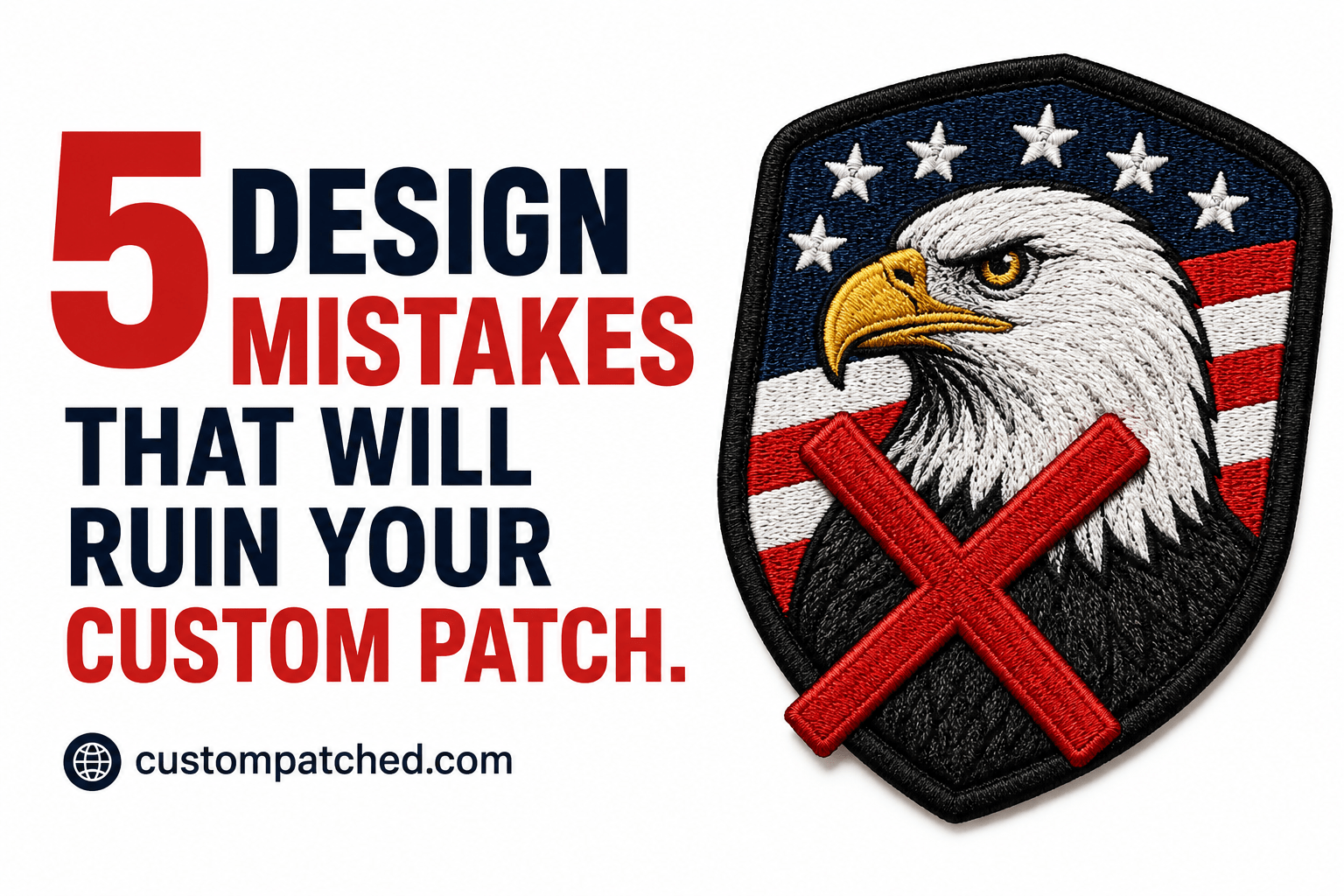
Custom patches are one of the most powerful branding tools for modern businesses. From clothing brands to corporate uniforms and startup merchandise, a well-designed patch can instantly communicate identity, trust, and professionalism. However, many UK startups make avoidable design mistakes that reduce the impact of their patches and weaken their brand image.
Whether you’re launching a fashion label, a tech startup, or a promotional merchandise line, understanding what not to do is just as important as knowing what works. Even experienced designers sometimes overlook small details that make a big difference in patch quality and appeal.
Below are the five most common design mistakes that can ruin your custom patch—and how UK startups can avoid them.
1. Overcomplicating the Design
One of the biggest mistakes startups make is trying to include too much detail in a small patch. Intricate logos, tiny text, and complex illustrations often lose clarity when converted into embroidery or PVC formats.
A patch is not a digital canvas—it has physical limitations. When designs are too detailed, they become blurry or unreadable, especially on smaller patches used on caps or sleeves.
Successful brands keep their designs bold, simple, and recognizable. Strong outlines, minimal text, and clear shapes work far better in real-world applications.
2. Ignoring Size and Placement
Another major issue is failing to consider where the patch will be used. A design that looks great on a screen may not work on a jacket sleeve or backpack.
UK startups often overlook placement during the design phase. A logo might need to be adjusted for vertical or horizontal formats depending on its final use.
Ignoring size constraints can lead to distorted logos or unreadable branding, reducing overall professionalism.
3. Poor Colour Selection
Colour plays a crucial role in patch design. Using too many shades or poorly contrasting colours can make the design look messy and unprofessional.
Startups sometimes choose colours based on digital branding guidelines without considering how they translate into embroidery threads or PVC materials.
High-contrast combinations and limited colour palettes usually deliver the best results. They ensure visibility, durability, and consistency across all merchandise.
4. Weak Brand Identity Integration
A custom patch should clearly represent your brand identity. However, many UK startups create designs that feel disconnected from their core branding.
This often happens when logos are modified too heavily or when trendy design elements are used without consistency.
Strong patches maintain brand recognition by keeping core visual elements intact—such as logos, typography, and signature colours.
5. Choosing the Wrong Patch Type
Not all patches are created equal. Choosing the wrong type—embroidered, woven, or PVC—can significantly affect the final result.
For example, embroidered patches work well for traditional branding, while PVC patches are better for modern, outdoor, or tactical applications.
Many startups fail by selecting a patch style that doesn’t match their brand personality or usage environment.
6. Ignoring Fabric Compatibility
A great patch design can still fail if it doesn’t match the fabric it will be applied to. Thick patches may not sit well on lightweight clothing, while thin patches may not hold up on heavy-duty materials.
Startups often overlook this technical aspect, focusing only on visual appeal.
Understanding fabric compatibility ensures durability and comfort while maintaining a professional look.
7. Overusing Text in Small Areas
Text-heavy designs are another common mistake. Small patches cannot effectively display long slogans or multiple lines of text.
This leads to cramped, unreadable designs that lose impact instantly.
A better approach is to use short taglines or initials, keeping the design clean and easy to recognize from a distance.
8. Lack of Professional Testing Before Production
Many UK startups rush into production without testing how the patch looks in real life. What works digitally may not translate well into stitched or molded formats.
Professional mockups and samples are essential before mass production.
Testing ensures that colour accuracy, clarity, and proportions are correct, saving both time and money in the long run.
Final Thoughts
Custom patches are more than decorative elements—they are powerful branding tools that can elevate a startup’s identity. For UK startups, getting the design right from the beginning can significantly improve brand recognition and customer perception.
Avoiding these common mistakes helps ensure your patches are not only visually appealing but also durable, practical, and aligned with your brand vision. Whether you’re launching a new collection or building corporate identity, thoughtful design is the key to long-term success.
Even global suppliers like custom patched USA often highlight how critical simplicity and clarity are in patch production, proving that good design principles apply universally.
By focusing on clean design, proper material choice, and brand consistency, startups can turn simple patches into powerful storytelling tools that leave a lasting impression.


![Ways to Make Your LinkedIn Profile a Job Magnet [tips and techniques]](https://dreamingspiritual.com/wp-content/uploads/2026/05/ChatGPT-Image-May-20-2026-05_08_29-PM.png)