Replenishment Planning Strategies for Managing Seasonal Demand Surges
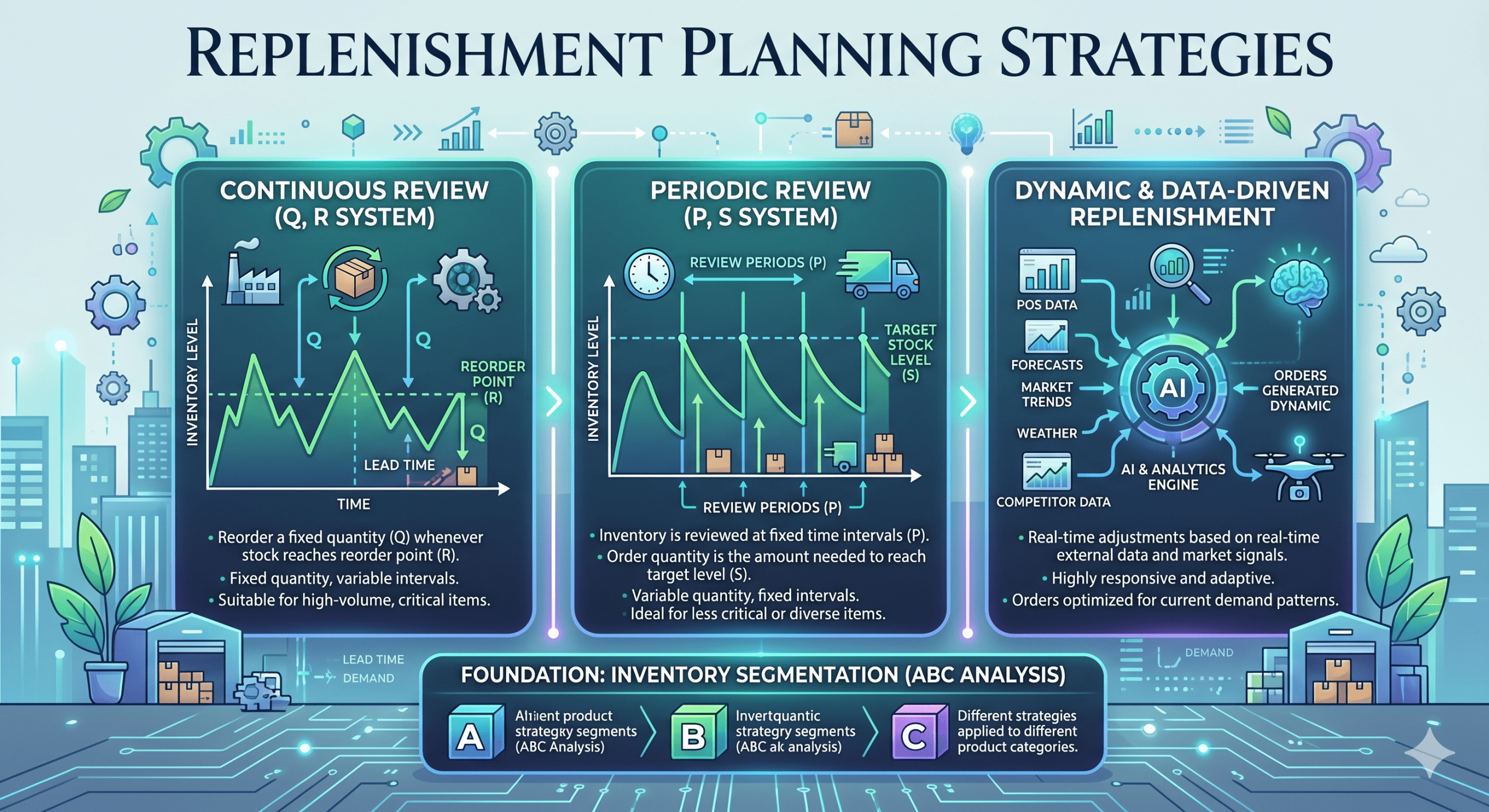
Seasonal demand surges are one of the biggest challenges retailers and supply chain teams face. Shopping behavior can shift dramatically during holiday periods, promotional events, weather changes, back-to-school seasons, and other peak demand cycles. Businesses that fail to prepare effectively often experience stockouts, delayed fulfillment, lost revenue, and frustrated customers.
At the same time, overestimating seasonal demand can create excess inventory, higher storage costs, and margin pressure after peak periods end. Managing this balance requires a more intelligent and proactive approach to inventory management.
This is why replenishment planning has become increasingly important in modern retail operations. Effective replenishment strategies help businesses maintain product availability during demand spikes while minimizing the risk of overstocking.
As supply chains become more complex and customer expectations continue rising, retailers must adopt smarter replenishment planning methods that combine forecasting, real-time visibility, and data-driven decision-making.
Why Seasonal Demand Surges Are Difficult to Manage
Seasonal demand creates unique challenges because customer behavior becomes less predictable during peak periods.
Several factors contribute to this complexity:
- Sudden increases in product demand
- Shorter purchase windows
- Rapid shifts in buying trends
- Supply chain disruptions
- Promotional activity and competitive pricing
- Regional demand variations
Even small forecasting errors during peak seasons can have major financial consequences.
The Importance of Replenishment Planning
Replenishment planning refers to the process of determining:
- What inventory needs to be restocked
- When replenishment should occur
- How much inventory should be ordered
The goal is to maintain optimal stock levels while balancing customer demand, operational efficiency, and inventory costs.
During seasonal demand surges, replenishment planning becomes especially critical because inventory decisions must happen faster and more accurately.
Common Problems During Seasonal Demand Peaks
Stockouts
Insufficient inventory during high-demand periods leads to:
- Lost sales
- Customer dissatisfaction
- Reduced loyalty
- Missed revenue opportunities
Overstocking
Overestimating seasonal demand can leave retailers with excess inventory after peak periods end.
This creates:
- Increased carrying costs
- Heavy discounting pressure
- Reduced profitability
Supply Chain Delays
High demand periods often strain suppliers, transportation networks, and warehouses.
Limited Visibility
Disconnected systems make it difficult to respond quickly to changing demand conditions.
Effective replenishment planning helps reduce these risks.
Key Replenishment Planning Strategies for Seasonal Demand
Use Historical Demand Data Carefully
Historical sales data remains important for forecasting seasonal demand, but it should not be the only input.
Retailers should analyze:
- Previous seasonal trends
- Promotional performance
- Regional demand patterns
- Product category behavior
However, historical data alone may not fully reflect current market conditions or changing consumer behavior.
Incorporate Real-Time Demand Signals
Modern replenishment planning increasingly depends on real-time customer and operational data.
This includes:
- Current sales velocity
- Search trends
- Browsing behavior
- Inventory movement
- Social and market trends
Real-time signals help businesses respond faster to unexpected demand changes.
Segment Seasonal Products Strategically
Not all products behave the same during seasonal periods.
Retailers should classify products based on:
- Demand volatility
- Sales velocity
- Profit margins
- Replenishment lead times
High-priority seasonal products may require more aggressive replenishment strategies and closer monitoring.
Improve Forecast Accuracy with AI and Machine Learning
Artificial intelligence is transforming replenishment planning by improving forecasting accuracy.
AI models can analyze:
- Historical demand patterns
- External market trends
- Weather conditions
- Promotional activity
- Customer behavior
Machine learning systems continuously improve forecasts as more data becomes available.
This allows retailers to anticipate seasonal demand shifts more effectively.
Build Flexible Supplier Relationships
Strong supplier collaboration becomes especially important during seasonal demand surges.
Retailers should work closely with suppliers to:
- Improve forecast visibility
- Share demand expectations
- Increase replenishment flexibility
- Reduce lead time variability
Collaborative planning improves responsiveness during peak periods.
Use Safety Stock Strategically
Safety stock acts as a buffer against unexpected demand fluctuations or supply chain disruptions.
However, excessive safety stock can increase carrying costs.
Retailers should adjust safety stock levels based on:
- Product demand variability
- Supplier reliability
- Seasonal sales forecasts
- Inventory turnover rates
Strategic safety stock planning helps balance availability and efficiency.
Prioritize Inventory Visibility Across Channels
Omnichannel retail environments make replenishment planning more complex.
Inventory may exist across:
- Ecommerce warehouses
- Retail stores
- Fulfillment centers
- Third-party logistics providers
Real-time inventory visibility is essential for managing seasonal demand effectively.
Connected systems allow businesses to:
- Reallocate inventory dynamically
- Reduce stock imbalances
- Improve fulfillment flexibility
Optimize Replenishment Frequency
During seasonal demand surges, replenishment cycles often need to become more frequent.
Shorter replenishment intervals improve responsiveness and reduce the risk of stockouts.
However, businesses must balance replenishment frequency with operational costs and supplier capabilities.
Scenario Planning and Forecast Simulation
Demand uncertainty is unavoidable during seasonal periods.
Scenario planning helps retailers prepare for multiple outcomes by simulating:
- Best-case demand scenarios
- Supply chain disruptions
- Promotional impacts
- Unexpected demand spikes
This improves preparedness and decision-making.
The Role of Automation in Replenishment Planning
Automation helps retailers respond faster to changing demand conditions.
Automated replenishment systems can:
- Trigger inventory orders dynamically
- Adjust forecasts continuously
- Monitor inventory thresholds in real time
- Reduce manual intervention
This improves efficiency and scalability during peak seasons.
Key Metrics to Monitor
Retailers should track several performance metrics during seasonal replenishment planning.
Important metrics include:
- Stockout rate
- Inventory turnover
- Fill rate
- Forecast accuracy
- Excess inventory levels
- Order fulfillment speed
Monitoring these metrics helps businesses refine strategies continuously.
Common Mistakes Retailers Should Avoid
Relying Only on Historical Data
Past demand does not always reflect current market conditions.
Ignoring Real-Time Signals
Customer behavior can shift rapidly during peak seasons.
Underestimating Supply Chain Constraints
Supplier and logistics limitations can impact replenishment speed significantly.
Overcommitting Inventory Too Early
Aggressive forecasting without flexibility increases overstock risk.
Avoiding these mistakes improves replenishment performance.
The Future of Seasonal Replenishment Planning
Replenishment planning is becoming increasingly data-driven and predictive.
Future trends include:
- AI-powered forecasting models
- Predictive inventory optimization
- Real-time supply chain visibility
- Automated replenishment systems
- Demand sensing technologies
These advancements will make seasonal inventory management more responsive and efficient.
Conclusion
Managing seasonal demand surges requires more than reactive inventory decisions. Modern retailers need replenishment planning strategies that combine forecasting accuracy, real-time responsiveness, supplier collaboration, and intelligent automation.
By leveraging AI, behavioral insights, and connected inventory systems, businesses can improve product availability during peak periods while minimizing excess inventory and operational inefficiencies.
As customer expectations continue rising and retail environments become more competitive, businesses that invest in smarter replenishment planning capabilities will be better positioned to improve customer satisfaction, increase profitability, and navigate seasonal demand successfully.