Sandy Springs Gas Fireplace Inspection: Signs, Costs & What to Expect from a Certified Pro
Most Sandy Springs homeowners think about their fireplace only when they want to use it. The inspection that keeps it safe, however, should happen long before the first fire of the season. Whether you have a traditional wood-burning setup or a modern gas fireplace, a professional inspection is not optional maintenance it is the foundation of responsible home ownership. Understanding the difference between inspection levels, and knowing what a gas system evaluation actually involves, helps you make smarter decisions about your home’s safety.
Why Chimney Inspection Is Not a One-Size-Fits-All Service
Not every chimney presents the same risk profile or requires the same level of scrutiny. The National Fire Protection Association (NFPA) established a tiered inspection system Level 1, Level 2, and Level 3 to match the depth of evaluation with the actual condition and history of the system. In Sandy Springs, where homes range from newly built subdivisions to older established properties, the right inspection level depends on how your fireplace has been used, whether it has been recently altered, and when it was last professionally evaluated.
Chimney Inspection Level 1: Routine Annual Check
Level 1 is the baseline inspection, recommended for any fireplace that has been in continuous, standard use with no recent changes. During this evaluation, a certified technician examines all readily accessible portions of the chimney structure the firebox, damper, smoke shelf, and exterior crown without the use of special tools or equipment.
The goal is to confirm that the basic structure is sound, that no visible blockages or excessive creosote buildup exist, and that the flue is open and functioning correctly. For most Sandy Springs homeowners who use their fireplace seasonally and have it serviced annually, a Level 1 inspection is entirely sufficient. It is quick, cost-effective, and catches the most common hazards before they escalate.
Chimney Inspection Level 2: When More Is Required
A Level 2 inspection goes significantly deeper. It is required under specific circumstances when a homeowner is buying or selling a property, when any change has been made to the fuel type or liner, following a chimney fire or severe storm, or when any event may have caused structural damage.
This inspection includes everything covered in Level 1, plus a detailed video camera scan of the internal flue. The camera travels the full length of the liner, revealing cracks, gaps at mortar joints, spalling brick, and debris accumulation that a visual check simply cannot detect. In Sandy Springs, where storm activity can shift chimney crowns and freeze-thaw cycles gradually compromise masonry, this level of scrutiny is particularly valuable.
Level 2 also covers accessible attic and crawl space areas adjacent to the chimney, giving the inspector a complete picture of how the structure interacts with the rest of the home. For real estate transactions, it provides documented proof of the chimney’s condition — something both buyers and sellers benefit from having on record.
Gas Fireplace Inspection Sandy Springs: A Specialized Service
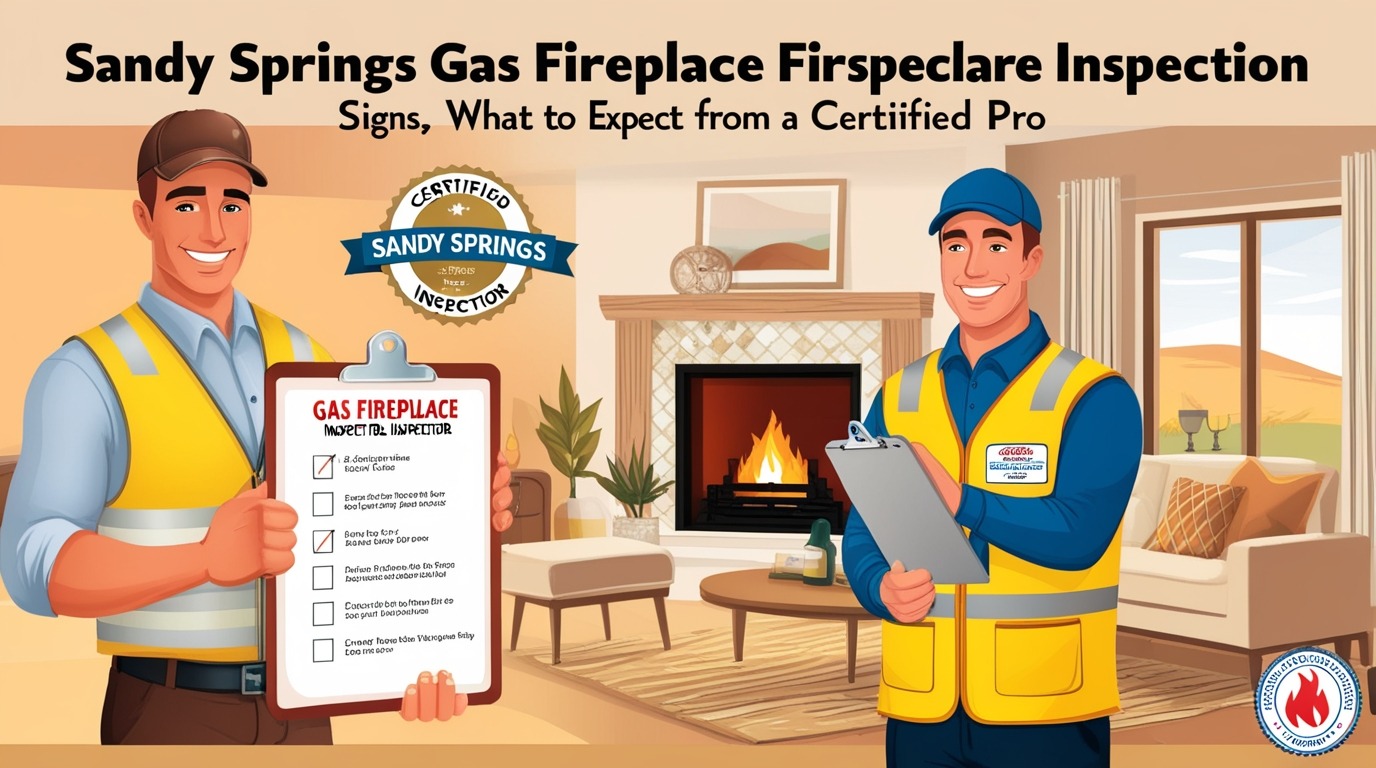
Gas fireplaces operate differently from wood-burning systems, and their inspection requirements reflect that. A thorough gas fireplace inspection in Sandy Springs goes well beyond checking whether the pilot light turns on. It encompasses a systematic evaluation of every component in the gas delivery and combustion system.
A certified technician will examine the gas valve for proper operation and signs of wear, test the pilot light assembly and ignition system, inspect ceramic logs for cracks or displacement that could disrupt the flame pattern, and check all gas line connections for leaks or corrosion. The venting system is assessed separately to ensure combustion gases are exiting the home cleanly and that no backdrafting is occurring.
One issue that comes up frequently in gas fireplace inspection Sandy Springs calls is inadequate or incorrectly installed venting — a problem that can allow carbon monoxide to enter the living space without any visible warning signs. Gas systems are also more sensitive to debris accumulation inside the burner assembly, which can cause uneven flames, incomplete combustion, and long-term damage to components.
For homeowners who have not had their gas fireplace serviced in several years, a professional inspection often uncovers issues that were entirely invisible during routine use.
What to Look for in a Certified Inspector
The technician you choose should carry documented certification and bring video-scanning equipment as standard practice for Level 2 work. Transparent pricing matters a trustworthy company will provide an itemized breakdown before any work begins, not after. Local experience in Sandy Springs and the surrounding area is also relevant, since technicians familiar with Georgia’s climate patterns are better equipped to identify weather-related wear that an out-of-area provider might miss.
Final Thoughts
A chimney and gas fireplace inspection is not a formality. It is the mechanism by which hidden hazards get found before they cause harm. Whether you need a routine Level 1 check, a pre-purchase Level 2 evaluation, or a specialized gas system assessment, scheduling the right service for your specific situation is the most direct investment you can make in your home’s long-term safety.