Upcycling the Basics: Refresh Old Clothes With Custom Patches
Fast fashion may dominate the modern clothing industry, but many people across the USA are shifting toward more sustainable and creative wardrobe choices. One of the easiest ways to breathe new life into worn or outdated garments is through upcycling. Instead of throwing away old denim jackets, faded jeans, or plain backpacks, people are transforming them into personalized fashion pieces with custom patches.
Upcycling is not only environmentally conscious, but it also allows individuals to express their personality through fashion. From vintage aesthetics to streetwear-inspired looks, patches can instantly turn ordinary clothing into something unique and meaningful. Whether you are a DIY beginner or someone exploring creative fashion trends, learning how to refresh old clothes with patches is an easy and rewarding place to start.
Why Upcycling Matters More Than Ever
The fashion industry produces a significant amount of textile waste every year. Many garments end up in landfills simply because they are outdated, damaged, or no longer fit current trends. Upcycling offers an alternative by extending the lifespan of clothing items through creative redesign.
Unlike recycling, which breaks down materials into raw components, upcycling improves or repurposes an item without destroying its original form. This makes it both environmentally friendly and cost-effective. Rather than buying an entirely new wardrobe, consumers can update existing clothing using affordable decorative elements like embroidery, paint, and patches.
Among all DIY fashion upgrades, custom made patches remain one of the most versatile solutions because they work on almost every fabric type and style.
Choosing the Right Clothes for Upcycling
Before starting a patch project, it is important to select clothing pieces that still have structural quality. Some ideal items include:
- Denim jackets
- Jeans
- Hoodies
- Canvas bags
- Military jackets
- Hats and caps
- Workwear shirts
- Flannel overshirts
Even clothes with small tears or stains can become excellent upcycling candidates because patches can cover imperfections while adding visual appeal.
Denim is especially popular because it provides a durable surface for sewing or ironing patches. Oversized jackets have also become trendy in modern streetwear, making them perfect for creative customization.
Understanding Different Types of Patches
Not all patches are the same. Each type creates a different aesthetic and serves a unique purpose in fashion customization.
Embroidered Patches
These are classic textured patches made with stitched thread designs. They work well for vintage, biker, varsity, and casual fashion looks.
Woven Patches
Woven styles offer finer detail and a smoother surface, making them suitable for intricate logos or minimalist designs.
Printed Patches
Printed patches allow for high-detail artwork and colorful graphics that may not be achievable with embroidery alone.
Leather Patches
Often used on denim or workwear, leather patches add a rugged and premium appearance.
PVC and Rubber Patches
Popular in tactical gear and outdoor fashion, these patches are durable and weather resistant.
Many DIY creators also use a morale patch maker service to create tactical-inspired designs with humor, slogans, symbols, or custom artwork for jackets and backpacks.
Planning Your Design Before Applying Patches
A common mistake beginners make is attaching patches randomly without planning the overall layout. A little preparation can dramatically improve the final appearance.
Start by placing the garment on a flat surface and arranging patches temporarily before attaching them. This helps create visual balance and prevents overcrowding.
Here are a few design approaches to consider:
Minimalist Placement
Use one or two patches on the chest, sleeve, or pocket area for a clean modern style.
Full Statement Design
Cover large portions of the jacket or jeans with multiple patches to create a bold streetwear-inspired appearance.
Theme-Based Customization
Choose patches that follow a specific concept, such as:
- Music culture
- Vintage Americana
- Travel destinations
- Nature themes
- Military-inspired artwork
- Skateboarding culture
Using personalized jacket patches allows individuals to create a completely unique design that reflects personal interests or memories.
How to Attach Custom Patches Properly
There are several methods for applying patches depending on the fabric and patch type.
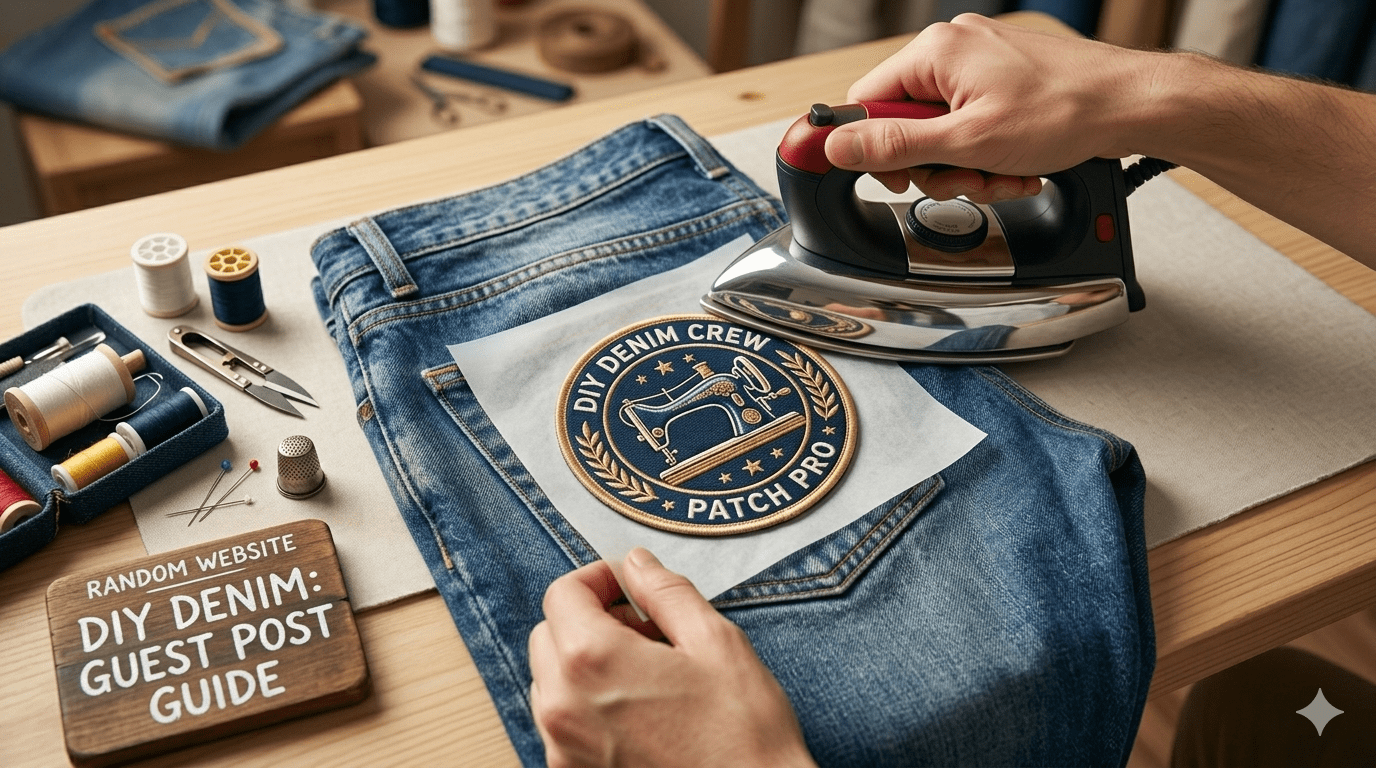
Iron-On Method
Iron-on patches are beginner-friendly and require minimal tools.
Steps:
- Preheat the iron without steam.
- Position the patch on the garment.
- Place a thin cloth over the patch.
- Press firmly for 20–30 seconds.
- Turn the garment inside out and repeat.
Iron-on methods work best for cotton and denim materials.
Sewing Method
Sewing provides a more durable attachment, especially for frequently washed garments.
Hand Sewing
Ideal for small DIY projects and decorative details.
Machine Sewing
Recommended for heavy fabrics like denim or canvas.
Sewn patches generally last longer than adhesive-backed versions and are less likely to peel over time.
Adhesive and Velcro Options
Some patches use hook-and-loop backing systems for easy removal and replacement. This style is especially common among tactical fashion enthusiasts and users who order from a morale patch maker for interchangeable designs.
Creative Ideas for Upcycling With Patches
There are countless ways to refresh old clothing creatively.
Reviving Old Denim Jackets
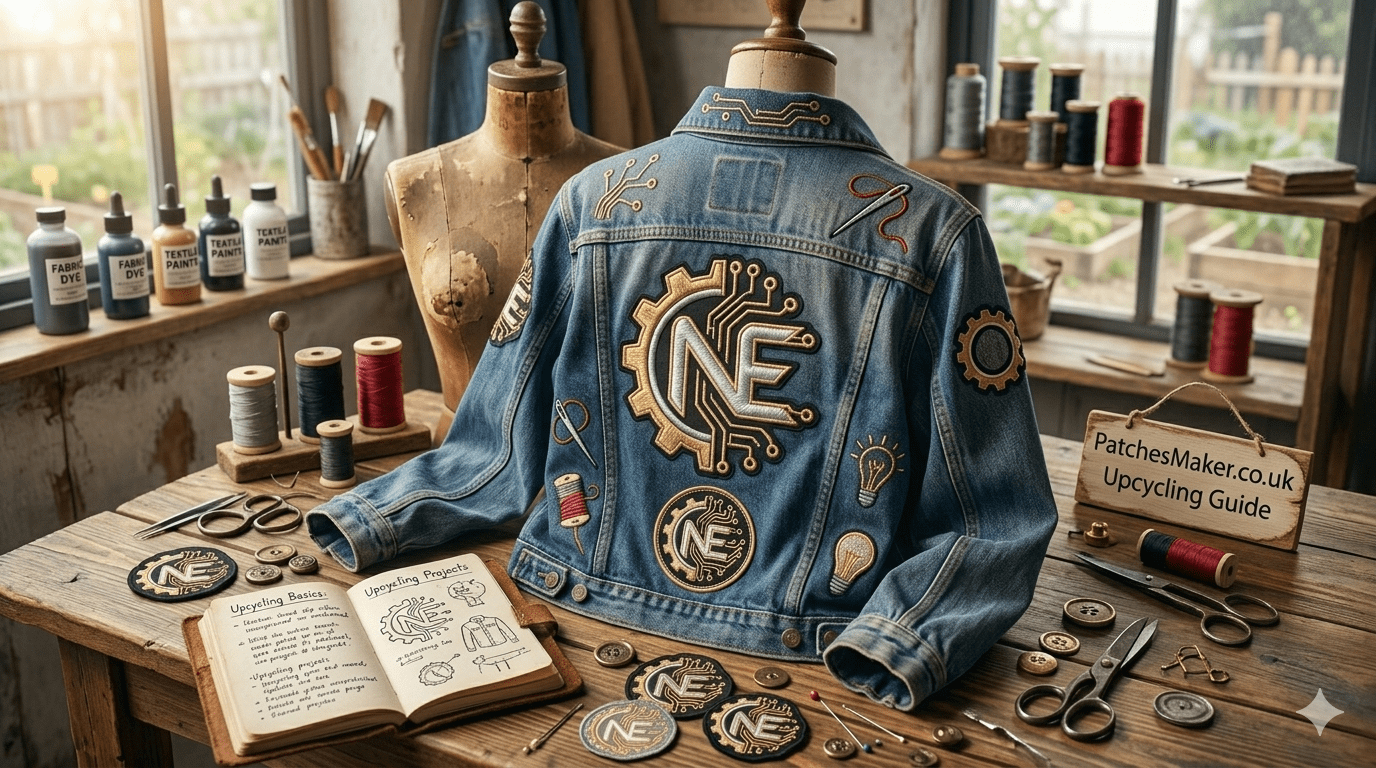
Denim jackets remain one of the best canvases for patchwork fashion. Adding patches to the back panel creates a statement piece, while smaller chest patches provide subtle personality.
Fixing Damaged Jeans
Instead of discarding ripped jeans, decorative patches can reinforce weak fabric areas while enhancing the look.
Customizing Tote Bags
Canvas tote bags become more stylish and personal with embroidered patches featuring artwork, slogans, or travel-inspired themes.
Refreshing Vintage Clothing
Vintage shops across the USA have become increasingly popular, and patches help modernize thrifted pieces without losing their retro charm.
Creating Personalized Gifts
Customized clothing items also make thoughtful gifts. Jackets with personalized jacket patches can celebrate hobbies, teams, milestones, or shared memories.
Fashion Trends Driving the Popularity of Patches
Patch customization has seen a major comeback thanks to modern fashion trends and social media influence.
Streetwear culture embraces individuality, and patches allow wearers to stand out from mass-produced fashion. Influences from punk, skate, military, and vintage fashion have also contributed to the growing popularity of customized garments.
Celebrities, musicians, and influencers frequently wear patch-covered jackets, cargo gear, and customized denim, helping the trend reach mainstream audiences.
In addition, younger consumers increasingly value sustainability. Upcycling aligns with eco-conscious lifestyles by reducing unnecessary consumption while encouraging creativity.
Tips for Maintaining Patched Clothing
Once patches are applied, proper care helps garments last longer.
Wash Carefully
Turn garments inside out before washing to reduce friction on patches.
Avoid High Heat
Excessive dryer heat may weaken adhesives on iron-on patches.
Reinforce Loose Edges
If corners begin lifting, sew around the edges to improve durability.
Store Properly
Avoid folding garments directly across heavily patched areas to maintain their shape.
Taking these simple precautions helps preserve customized clothing for years.
The Personal Value of DIY Fashion
One reason patch customization continues to grow is the emotional connection people build with personalized fashion. Clothing becomes more than fabric when it reflects memories, interests, humor, or creativity.
Unlike fast fashion items designed for short-term trends, upcycled garments often carry sentimental value. A patched jacket may represent concerts attended, travel experiences, favorite bands, or personal artistic expression.
This deeper connection encourages people to keep and reuse clothing longer, supporting both sustainability and individuality.
Final Thoughts
Upcycling old clothing with custom patches is one of the easiest and most creative ways to refresh a wardrobe without contributing to unnecessary waste. From subtle embellishments to bold statement designs, patches offer endless opportunities for personalization.
Whether someone wants to repair damaged denim, experiment with DIY streetwear, or create one-of-a-kind fashion pieces, patches provide a practical and stylish solution. With the growing popularity of sustainable fashion across the USA, customized clothing continues to evolve from a niche hobby into a mainstream creative movement.
By combining imagination with simple customization techniques, anyone can turn forgotten clothing into something fresh, expressive, and wearable again.