Pool Coping Installation for Modern Swimming Pools
Modern swimming pools are designed to deliver more than visual appeal. They combine durability, comfort, safety, and long-term property value. One of the most important structural and aesthetic features that defines a premium pool finish is pool coping installation. Whether you are building a new backyard oasis or renovating an aging pool, choosing the right coping system directly impacts functionality, water protection, and overall design performance.
Understanding the technical process, material choices, installation methods, and long-term maintenance requirements can help property owners make smarter investment decisions. This guide explains everything you need to know about modern pool coping, including design trends, installation techniques, durability considerations, pricing factors, and maintenance strategies.
What Is Pool Coping and Why Is It Important?
In swimming pool construction, coping refers to the protective cap or edging material installed around the upper perimeter of the pool structure. Properly designed pool coping creates a finished border that protects the pool shell while enhancing visual aesthetics and user safety.
Coping serves several essential purposes:
- Prevents water intrusion behind the pool shell
- Protects structural components from erosion
- Creates a non-slip perimeter edge
- Improves swimmer comfort
- Enhances deck-to-pool transitions
- Adds architectural elegance to the landscape
Without professionally executed coping systems, pools become vulnerable to cracking, moisture damage, deck shifting, and long-term structural deterioration.
Modern pool construction relies heavily on precision-engineered coping materials that withstand temperature fluctuations, chemical exposure, UV radiation, and continuous water contact.
Why Modern Pools Require Professional Pool Coping Installation
A professionally planned pool coping installation ensures the pool remains structurally sound while achieving the refined appearance homeowners expect from luxury outdoor environments.
Experienced installers understand critical technical details such as:
- Expansion joint spacing
- Substrate preparation
- Mortar compatibility
- Drainage slope alignment
- Freeze-thaw protection
- Bond beam integrity
- Waterproof sealing systems
Poor installation practices often result in loose coping stones, water penetration, uneven edges, or costly repairs within a few years.
Modern pool designs also demand cleaner lines and seamless finishes. Precision installation is especially important for contemporary pools featuring infinity edges, geometric layouts, elevated spas, or integrated lighting systems.
Popular Materials Used for Pool Coping
Material selection plays a major role in both performance and appearance. Each coping option offers unique advantages depending on climate conditions, budget, and architectural style.
Natural Stone Coping
Natural stone remains one of the most sought-after options for upscale pools. Travertine, limestone, bluestone, granite, and sandstone create timeless visual appeal while offering strong durability.
Benefits include:
- Elegant luxury appearance
- Heat-resistant surfaces
- Slip-resistant textures
- Excellent longevity
- Unique natural patterns
Travertine is particularly popular for warm-weather environments because it remains cool under direct sunlight.
Concrete Coping
Many builders recommend swimming pool concrete coping for its affordability, design flexibility, and structural reliability. Concrete coping can be poured in place or precast in custom shapes and finishes.
Advantages include:
- Cost-effective installation
- Wide color and texture options
- Modern design adaptability
- Strong structural performance
- Easy customization
Stamped and textured concrete finishes can replicate the appearance of natural stone while maintaining lower installation costs.
Brick Coping
Brick coping works exceptionally well for traditional and rustic outdoor spaces. It provides excellent durability and timeless visual character.
Benefits include:
- Classic architectural style
- Strong weather resistance
- Long lifespan
- Complementary design versatility
However, brick may require more maintenance in freeze-thaw climates.
Porcelain Coping
Porcelain coping has become increasingly popular in luxury modern pool construction because of its sleek appearance and superior stain resistance.
Key advantages include:
- Minimal water absorption
- UV resistance
- Contemporary aesthetics
- Easy maintenance
- High slip resistance ratings
Porcelain systems are especially common in minimalist outdoor environments.
Understanding the Pool Coping Installation Process
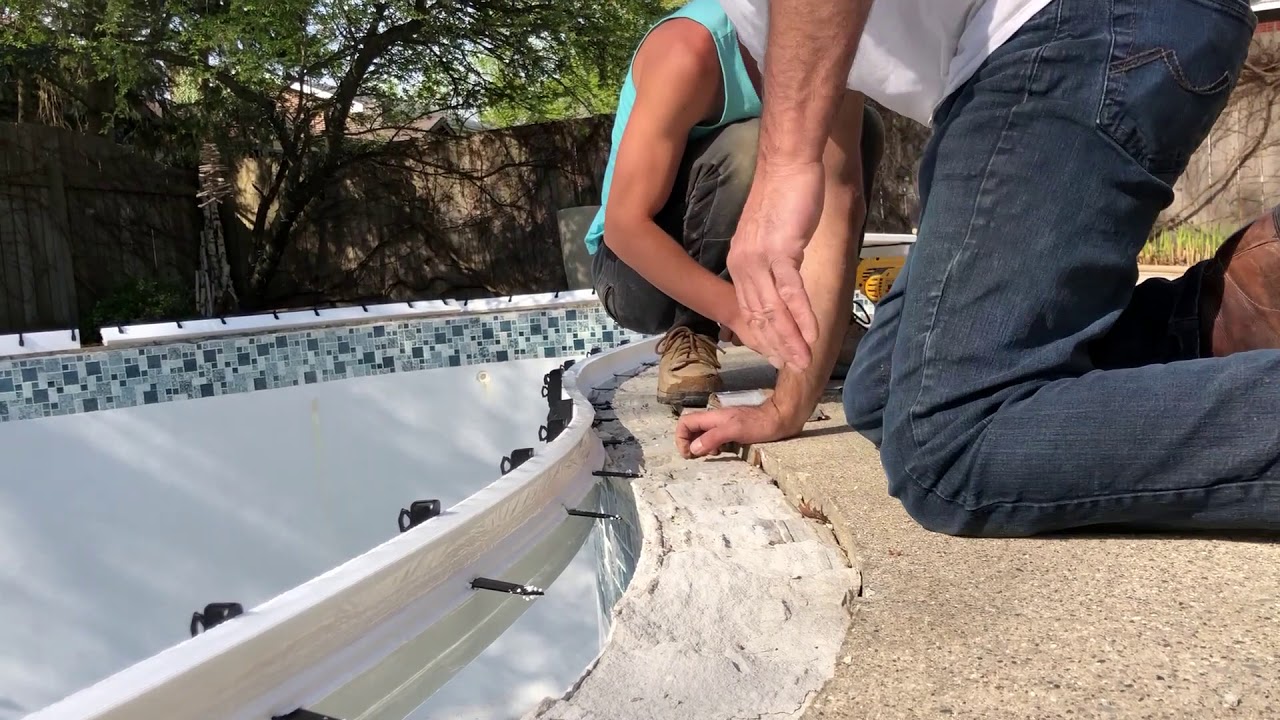
Many homeowners researching how to install pool coping underestimate the technical precision required for long-lasting performance. Professional installation involves several structural and waterproofing stages.
1. Surface Preparation
The process begins by preparing the pool bond beam and surrounding substrate. Installers inspect for cracks, uneven surfaces, or structural weaknesses before proceeding.
A stable, level foundation is critical for proper coping alignment.
2. Layout and Design Planning
Contractors carefully measure the pool perimeter and create layout patterns that minimize visible cuts and maintain consistent spacing.
This phase also includes:
- Drainage planning
- Expansion joint placement
- Edge alignment
- Material fitting
3. Adhesive or Mortar Application
Depending on the coping material, installers apply high-performance mortar or specialty adhesive systems engineered for pool environments.
Proper bonding prevents movement caused by:
- Temperature expansion
- Moisture infiltration
- Ground shifting
- Chemical exposure
4. Coping Placement
Each coping piece is installed with precision spacing and elevation control. Contractors ensure smooth transitions between deck surfaces and pool edges.
Attention to detail during this phase significantly affects the final appearance.
5. Joint Sealing and Waterproofing
Expansion joints and seams are sealed using flexible waterproof compounds designed to accommodate structural movement.
This step is essential for preventing moisture penetration behind the coping system.
6. Final Finishing and Inspection
The installation concludes with surface cleaning, leveling adjustments, sealing treatments, and final structural inspections.
Professional crews verify that drainage slopes properly direct water away from the pool structure.
Design Trends in Modern Pool Coping
Contemporary outdoor living spaces continue evolving, and modern coping trends reflect changing architectural preferences.
Minimalist Edge Profiles
Straight-line geometric coping designs dominate modern pool construction. Thin-profile coping creates sleek transitions that complement minimalist landscapes.
Oversized Coping Stones
Large-format coping materials reduce grout lines and produce a more luxurious appearance.
Contrasting Color Schemes
Designers frequently pair dark pool interiors with lighter coping materials to create striking visual contrast.
Integrated Lighting Features
LED lighting integrated beneath coping edges enhances nighttime ambiance while improving pool safety.
Seamless Indoor-Outdoor Transitions
Modern luxury homes increasingly feature coping materials that match adjacent patios for cohesive architectural continuity.
Common Mistakes to Avoid During Pool Coping Projects
Even premium materials can fail if installation mistakes occur. Avoiding these common problems improves long-term durability.
Inadequate Drainage Planning
Improper water drainage can cause soil erosion, deck movement, and moisture intrusion.
Using Incorrect Adhesives
Not all adhesives are suitable for constant pool exposure. Specialized pool-grade bonding materials are essential.
Ignoring Expansion Joints
Temperature fluctuations cause natural movement in pool structures. Expansion joints prevent cracking and separation.
Poor Surface Preparation
Unstable substrates frequently lead to loose coping stones and premature failure.
Choosing Materials Based Only on Appearance
Some materials may not perform well in certain climates. Durability should always be evaluated alongside aesthetics.
Benefits of Upgrading Old Pool Coping
Replacing outdated coping significantly improves both performance and property value.
Key advantages include:
- Enhanced pool safety
- Better moisture protection
- Improved curb appeal
- Increased home value
- Lower maintenance requirements
- Modernized outdoor aesthetics
A well-executed coping renovation can completely transform the appearance of an aging pool area.
Choosing the Right Contractor for Pool Coping Installation
Selecting an experienced contractor is one of the most important decisions in any pool renovation or construction project.
Qualified professionals should offer:
- Proven portfolio experience
- Licensed and insured operations
- Knowledge of waterproofing systems
- Material expertise
- Transparent pricing estimates
- Warranty coverage
Professional craftsmanship directly impacts long-term durability and aesthetic performance.
Before hiring a contractor, homeowners should review previous installations and verify expertise in modern pool coping installation systems.
How Pool Coping Enhances Property Value
Luxury outdoor living spaces continue driving real estate demand in residential markets. High-quality coping installations improve both functional performance and visual sophistication.
Modern buyers increasingly prioritize:
- Resort-style backyard environments
- Low-maintenance materials
- Contemporary architectural finishes
- Durable outdoor construction
Professionally designed coping systems contribute significantly to first impressions and perceived property quality.
Well-maintained pools with premium coping materials often increase buyer confidence during home evaluations.
Future Innovations in Pool Coping Systems
The pool construction industry continues evolving with advanced materials and smarter installation technologies.
Emerging innovations include:
- Eco-friendly coping materials
- Permeable drainage systems
- Smart LED-integrated coping
- Advanced slip-resistant coatings
- Sustainable composite materials
- Precision-cut porcelain systems
These advancements improve durability, safety, and design flexibility for modern outdoor environments.
Conclusion
Modern swimming pools require durable, visually refined construction systems that balance structural protection with luxury aesthetics. High-quality pool coping installation plays a central role in achieving that balance.
From elegant natural stone to advanced swimming pool concrete coping systems, today’s coping solutions offer exceptional versatility for residential and commercial applications. Proper planning, expert craftsmanship, and durable materials ensure long-term performance while enhancing property value and outdoor living experiences.
Whether building a new pool or upgrading an existing one, investing in professional pool coping solutions delivers lasting beauty, safety, and structural reliability for years to come.
FAQs About Pool Coping Installation
What is the best material for pool coping?
The best material depends on climate, design goals, and budget. Travertine, concrete, porcelain, and natural stone are among the most popular modern options.
How long does pool coping last?
Professionally installed coping can last 20 to 50 years depending on material quality, climate conditions, and maintenance practices.
Is pool coping necessary?
Yes. Coping protects the pool shell from water intrusion while improving safety and enhancing visual appearance.
What affects pool coping installation cost?
Material type, pool size, labor complexity, demolition requirements, and site accessibility all influence overall project pricing.
Can damaged pool coping be repaired?
Minor cracks and loose sections can often be repaired, but severely deteriorated coping may require full replacement.
How do I maintain pool coping?
Routine cleaning, sealing natural stone, inspecting joints, and addressing repairs quickly help maximize coping lifespan.
How difficult is it to learn how to install pool coping?
While basic DIY resources exist for how to install pool coping, professional installation is strongly recommended because structural alignment, waterproofing, and expansion control require specialized expertise.