Fascisterne: History, Ideology, and the Impact of Fascism in Europe
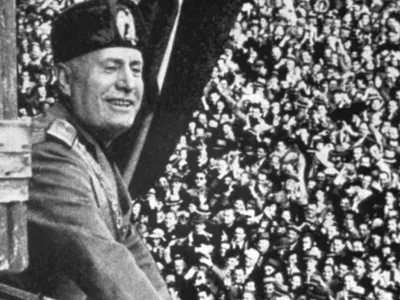
The term Fascisterne is commonly used in Scandinavian languages, particularly Danish and Norwegian, and translates to “the fascists” in English. It refers to individuals, movements, or political groups associated with fascism, a political ideology that emerged in Europe during the early twentieth century. Fascism played a major role in shaping global politics during the period between the two world wars and continues to be studied today because of its profound historical consequences.
Understanding the concept of Fascisterne requires exploring the origins of fascism, the political conditions that allowed such movements to grow, the leaders and regimes that promoted the ideology, and the lasting impact these movements had on societies around the world. While fascism is widely rejected in modern democratic systems, its historical significance remains important for scholars, students, and anyone interested in political history.
This article provides an in-depth overview of Fascisterne, including their historical background, ideological principles, influence during the twentieth century, and the lessons societies continue to draw from that era.
Introduction: Why Fascism Became a Powerful Political Movement
In the years following World War I, many European countries experienced economic hardship, political instability, and widespread dissatisfaction with traditional governments. High unemployment, inflation, and social unrest created an environment where radical political movements could gain support.
Fascist movements promised solutions that appealed to people who felt disillusioned with democracy or fearful of economic collapse. These movements emphasized national unity, strong leadership, and strict social order, often presenting themselves as an alternative to both liberal democracy and communism.
Groups referred to as Fascisterne supported these ideas and sought to reshape society according to fascist principles. Their rise would have lasting consequences for Europe and the wider world.
The Origins of Fascism
Italy and the Birth of Fascism
Fascism first emerged in Italy in the early 1920s. After World War I, Italy faced severe economic challenges and political divisions. Many citizens believed the government had failed to protect national interests.
In this environment, political movements advocating strong leadership gained popularity. Fascist groups promoted authoritarian rule, nationalism, and the rejection of democratic institutions. Their supporters—often called fascists or Fascisterne in some languages—organized political rallies and paramilitary groups to promote their ideas.
The ideology quickly spread beyond Italy, influencing political movements in other European countries.
Expansion Across Europe
During the 1930s, fascist movements appeared in several nations. While each had unique characteristics, they often shared core elements such as:
- intense nationalism
- authoritarian leadership
- opposition to democracy
- militaristic values
- strong state control over society
These movements were supported by individuals who believed strong governments could restore stability and national pride.
Core Ideological Principles of Fascism
To understand Fascisterne, it is essential to examine the fundamental ideas behind fascism.
Authoritarian Leadership
Fascist ideology places great importance on a single powerful leader who represents the will of the nation. This leader typically holds extensive authority over political institutions and decision-making processes.
The emphasis on strong leadership was intended to eliminate political conflict and create a unified national direction.
Extreme Nationalism
Nationalism lies at the heart of fascist ideology. Fascist movements often promote the belief that the nation must be strong, unified, and protected from external or internal threats.
This focus on national identity sometimes leads to aggressive foreign policies or hostility toward groups perceived as outsiders.
Rejection of Liberal Democracy
Fascism generally rejects democratic principles such as multiparty elections, individual freedoms, and separation of powers. Instead, fascist systems prioritize state authority and centralized control.
Supporters argued that democracy created political division and inefficiency.
Militarism and Discipline
Fascist movements frequently emphasize military strength, discipline, and sacrifice for the nation. Paramilitary organizations and youth groups often played significant roles in promoting these values.
The Role of Fascisterne in European History
Political Mobilization
Fascisterne were often deeply involved in organizing rallies, political campaigns, and propaganda efforts. Their activities helped expand support for fascist parties and leaders.
Political mobilization included public demonstrations, speeches, and media campaigns designed to promote nationalist messages.
Participation in Government
In some countries, fascist movements eventually gained control of government institutions. Once in power, they implemented policies designed to reshape society according to their ideological vision.
These policies frequently involved strict control over the media, education systems, and public life.
Impact on Society
The influence of fascist governments extended into many aspects of daily life. Citizens were encouraged to support the state and conform to national ideals promoted by the leadership.
This often included extensive propaganda, cultural programs emphasizing patriotism, and restrictions on political opposition.
World War II and the Decline of Fascism
The expansion of fascist regimes played a major role in the events leading up to World War II. Conflicts between nations and aggressive expansion policies eventually escalated into global war.
During the war, many countries united to oppose fascist governments. By the mid-1940s, fascist regimes in Europe had largely collapsed following military defeat and internal resistance.
The aftermath of the war led to renewed commitment in many countries to democratic governance and international cooperation.
Lessons from the Era of Fascism
The history of Fascisterne and fascist movements continues to be studied because it provides important lessons about politics, society, and the protection of democratic institutions.
Importance of Democratic Institutions
Strong democratic systems help ensure that power is balanced among different branches of government. This reduces the likelihood of authoritarian rule.
Protection of Civil Rights
Modern societies emphasize the protection of individual rights and freedoms. These protections help prevent the kinds of restrictions that were common under fascist regimes.
The Value of Historical Awareness
Studying history allows societies to recognize the dangers of extremist ideologies and understand how political movements can gain influence during periods of crisis.
How Fascism Is Viewed Today
Today, fascism is widely regarded as a historically significant but deeply controversial and widely rejected ideology. Most democratic societies strongly oppose authoritarian systems that limit freedoms or concentrate power in a single leader.
Academic research on fascism focuses on understanding:
- how such movements gained support
- how propaganda influenced public opinion
- how economic and social conditions shaped political behavior
This research helps scholars and policymakers better understand the dynamics of political change.
Future Perspectives: Why Studying Fascism Still Matters
Even though fascist regimes largely disappeared after World War II, historians and political scientists continue to study them. The goal is not to promote the ideology but to understand the factors that allowed it to emerge.
Topics often examined include:
- the role of economic crises in political instability
- the power of propaganda and media control
- the importance of strong democratic institutions
By examining these factors, researchers hope to ensure that future generations remain aware of the consequences of authoritarian politics.
Conclusion
The term Fascisterne refers to individuals or groups associated with fascist ideology, a political movement that had a profound impact on Europe and the world during the twentieth century. Emerging from the political turmoil following World War I, fascism promoted authoritarian leadership, intense nationalism, and centralized state control.
While fascist regimes eventually collapsed after World War II, their historical influence remains significant. Understanding this period helps explain how political systems can change rapidly during times of economic hardship and social unrest.
Today, studying the history of Fascisterne serves as an important reminder of the value of democratic institutions, civil liberties, and international cooperation. By learning from the past, societies can better protect the principles that support freedom, stability, and peaceful political development.
Frequently Asked Questions (FAQ)
What does the word Fascisterne mean?
Fascisterne is a Scandinavian term meaning “the fascists,” referring to individuals or groups associated with fascist ideology.
Where did fascism originate?
Fascism originated in Europe in the early twentieth century, first gaining prominence in Italy during the 1920s.
What are the main principles of fascism?
Key principles include authoritarian leadership, extreme nationalism, rejection of democratic systems, and strong state control over society.
Why is fascism historically significant?
Fascism played a major role in shaping global politics during the period between World War I and World War II, influencing governments and contributing to major international conflicts.
Why is it important to study fascism today?
Studying fascism helps people understand how political systems can shift toward authoritarian rule and why protecting democratic institutions is essential.